Why do fun pages for kids help creativity?
pages for kids are more than just simple entertainment sheets; they are powerful tools that shape imagination, thinking skills, and creative confidence. When children interact with pages for kids, they are not only filling colors or drawing shapes but also building mental pathways that support original thinking. Many educators and parents underestimate how deeply pages for kids can influence a child’s ability to think creatively in everyday life.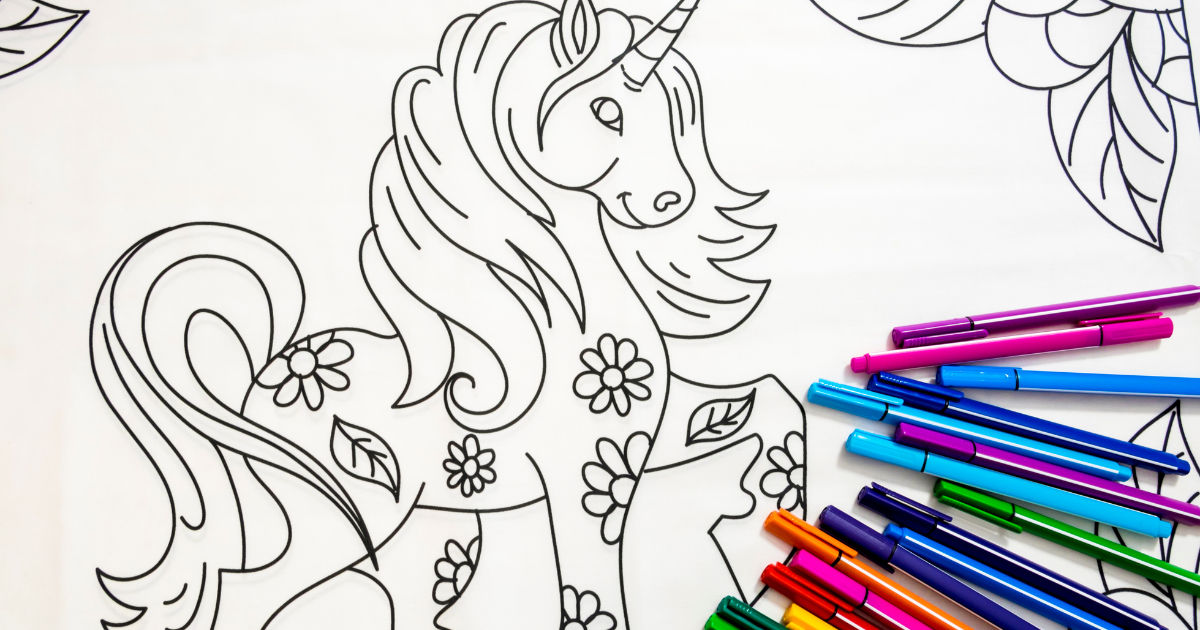
At first glance, pages for kids may seem like a basic activity meant to keep children busy. However, research in child development shows that structured yet flexible activities like pages for kids encourage self-expression, decision-making, and problem-solving. Every time a child chooses a color, interprets a shape, or completes a design on pages for kids, they are practicing creative decision-making.
In a world where screens dominate attention, pages for kids provide a refreshing balance. They give children a chance to slow down, focus, and explore imagination without pressure. That is why pages for kids are increasingly used in classrooms, therapy sessions, and homes around the world. Whether simple or complex, pages for kids offer a foundation for creativity that grows over time.
This guide explains in detail why pages for kids are so important for creativity, how they influence development, and how parents and teachers can use pages for kids effectively to support learning and imagination.
Creativity in Childhood
Creativity is not limited to art or drawing. It includes thinking, problem-solving, storytelling, and imagination. When children engage with pages for kids, they practice all these skills naturally. The structure of pages for kids gives them a starting point, but the outcome depends entirely on their imagination.
Children using pages for kids often create unique interpretations of the same image. One child might color a sun blue, while another might turn it into a rainbow design. This freedom is what makes pages for kids a strong creative tool.
Unlike rigid academic tasks, pages for kids allow flexible thinking. This flexibility is essential because creativity grows when children are not afraid of making “mistakes.” Through repeated use of pages for kids, children learn that there is no single correct answer, which builds confidence in their creative abilities.
The Psychological Impact of Pages for Kids
From a psychological perspective, pages for kids help reduce anxiety and encourage relaxation. When children focus on pages for kids, their minds enter a calm, focused state similar to meditation. This mental state is ideal for creativity because it reduces fear of judgment.
Another important benefit of pages for kids is emotional expression. Children may not always have the words to express feelings, but pages for kids allow them to communicate through color and design. A child feeling happy might choose bright colors on pages for kids, while a calmer mood may lead to softer tones.
Repeated interaction with pages for kids strengthens emotional awareness. Over time, children begin to understand how their emotions influence their choices. This awareness is essential for emotional intelligence and creative thinking.
How Pages for Kids Develop Imagination
Imagination is the foundation of creativity, and pages for kids play a direct role in strengthening it. Every blank section on pages for kids becomes a space for storytelling. Children often imagine characters, environments, and scenarios while working on pages for kids.
For example, a simple animal drawing on pages for kids might become part of a jungle adventure in a child’s mind. This storytelling process is crucial because it connects visual learning with narrative thinking.
When children regularly use pages for kids, they begin to think beyond what is shown. They add backgrounds, emotions, and details that are not present. This ability to expand ideas is a core element of creativity.
Cognitive Development and Pages for Kids
Cognitive skills include memory, attention, and problem-solving. pages for kids contribute significantly to all these areas. When children focus on pages for kids, they improve concentration and attention span.
Decision-making is another cognitive skill enhanced by pages for kids. Choosing colors, patterns, and styles requires planning and evaluation. Over time, children become better at making decisions in other areas of life as well.
Memory also improves through repeated use of pages for kids. Children remember color combinations, shapes, and designs they have used before. This strengthens visual memory and pattern recognition.
Motor Skills Improvement Through Pages for Kids
Fine motor skills involve small movements like holding a pencil or coloring inside lines. pages for kids are one of the best tools to develop these skills. Every time a child works on pages for kids, they improve hand-eye coordination.
Holding crayons, markers, or pencils while using pages for kids strengthens finger muscles. This is especially important for younger children who are still developing writing skills.
As children continue using pages for kids, their control and precision improve. This improvement directly supports handwriting, drawing, and other academic tasks.
Emotional Growth and Expression
Emotional development is a key benefit of pages for kids. Children often struggle to express complex feelings verbally, but pages for kids provide a safe emotional outlet.
For example, a child feeling frustrated may use darker shades on pages for kids, while a joyful child may use bright and vibrant colors. This non-verbal communication helps adults understand children better.
Over time, pages for kids teach children to manage emotions. The calming nature of focusing on pages for kids reduces stress and improves emotional stability.
Learning Through Play with Pages for Kids
Learning does not always need to be formal. pages for kids turn learning into play, making education enjoyable and engaging. When children interact with pages for kids, they learn color recognition, shapes, patterns, and even storytelling.
Teachers often use pages for kids to reinforce lessons. For example, animals, alphabets, and numbers can all be included in pages for kids to make learning more interactive.
Because pages for kids combine learning with fun, children are more likely to stay engaged and retain information longer.
Social Skills and Group Activities
When children use pages for kids in groups, they develop important social skills. Sharing colors, discussing designs, and comparing pages for kids helps them learn cooperation.
Group activities involving pages for kids also encourage communication. Children explain their choices and listen to others, which improves social understanding.
These interactions help build teamwork skills that are valuable throughout life. pages for kids become a bridge between individual creativity and group learning.
Role of Teachers in Using Pages for Kids
Teachers play a major role in how effective pages for kids can be in education. In classrooms, pages for kids are often used to support lessons and encourage participation.
Educators can design activities where students use pages for kids to express understanding of a topic. For example, after a science lesson, students might complete pages for kids related to animals or nature.
By integrating pages for kids into lessons, teachers make learning more interactive and enjoyable. This approach increases student engagement and creativity.
How Parents Can Encourage Creativity
Parents can support creativity at home by providing regular access to pages for kids. Setting aside time for pages for kids encourages children to relax and explore their imagination.
It is important for parents not to control how children use pages for kids. Instead, they should allow freedom of expression. This independence helps build confidence.
Displaying completed pages for kids at home also motivates children. It shows that their creativity is valued and appreciated.
Digital vs Physical Pages for Kids
Today, children have access to both digital and physical pages for kids. Each has its own benefits. Digital pages for kids offer convenience and variety, while physical pages for kids provide tactile experience.
Physical pages for kids are especially important for developing motor skills. The act of holding and coloring cannot be fully replaced by screens.
However, digital pages for kids can introduce animations, interactive tools, and instant corrections. A balanced combination of both types of pages for kids can maximize creativity.
Common Mistakes to Avoid
One common mistake is over-guiding children while using pages for kids. Creativity suffers when children are told exactly how pages for kids should look.
Another mistake is limiting color choices. Restricting pages for kids reduces imagination and prevents exploration.
It is also important not to rush children. Creativity through pages for kids develops at its own pace, and pressure can reduce enjoyment.
Tips to Maximize Creativity
To get the best results from pages for kids, provide a variety of themes and difficulty levels. This keeps children interested and challenged.
Encourage storytelling while using pages for kids. Ask children what is happening in their drawings.
Rotate between digital and physical pages for kids to maintain balance.
Most importantly, allow freedom. The more freedom children have with pages for kids, the more their creativity grows.
Why Pages for Kids Matter in the Long Term
The benefits of pages for kids go beyond childhood. Skills developed through pages for kids—such as creativity, focus, and problem-solving—remain useful throughout life.
Many successful artists, designers, and thinkers began developing their imagination through simple activities like pages for kids. These early experiences build a foundation for advanced creative thinking.
Even in adulthood, the habits formed through pages for kids—such as observation and expression—continue to be valuable.
Conclusion
In conclusion, pages for kids play a crucial role in developing creativity, imagination, emotional intelligence, and cognitive skills. Through consistent interaction with pages for kids, children learn to express themselves freely and think beyond limits. Whether used at home or in school, pages for kids provide a structured yet flexible environment for growth.
The true power of pages for kids lies in their simplicity. They do not force creativity; they encourage it naturally. Every stroke, color, and design on pages for kids contributes to a child’s overall development. As children grow, the skills learned through pages for kids continue to support learning, communication, and problem-solving in real life.
By integrating pages for kids into daily routines, parents and educators can unlock a child’s full creative potential. The impact is long-lasting, meaningful, and deeply transformative.