
What should businesses know from Commercial Office Cleaning Guide UK?
A clean workplace is more than just an attractive environment; it directly influences employee health, productivity, safety, and business reputation. The Commercial Office Cleaning Guide UK helps businesses understand the importance of maintaining professional cleaning standards and creating healthier office spaces.
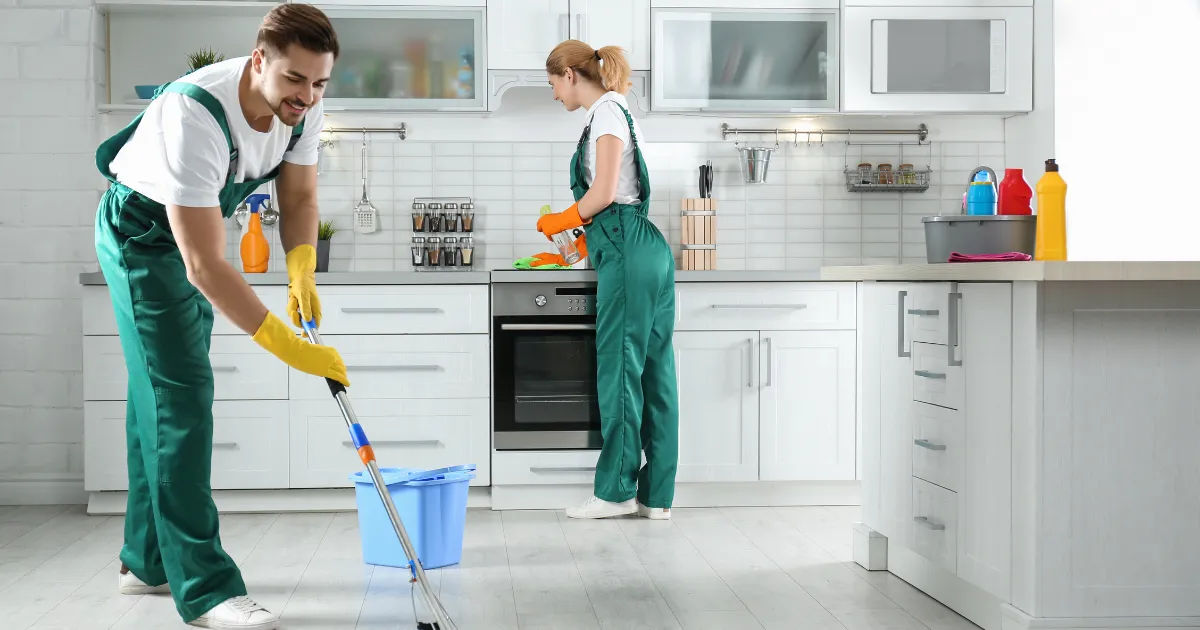
From choosing the right cleaning methods to following workplace hygiene practices, businesses can use these guidelines to improve their daily operations.Modern offices experience constant activity, with employees, clients, and visitors moving through shared spaces every day. Without proper cleaning procedures, offices can quickly collect dust, bacteria, allergens, and unwanted germs.
A professional approach to office cleaning ensures that workspaces remain comfortable, safe, and welcoming.Understanding the key points of the Commercial Office Cleaning Guide UK allows business owners and managers to make informed decisions about cleaning schedules, professional services, hygiene requirements, and workplace maintenance.
Why Office Cleaning Matters for Businesses
A workplace environment affects how employees feel and perform. An untidy or unhygienic office can reduce motivation, increase sickness levels, and create a negative impression among customers. Regular cleaning helps businesses maintain a professional atmosphere where employees can focus on their responsibilities.
Clean offices also support better health outcomes. Desks, keyboards, door handles, meeting rooms, and shared equipment can become areas where germs spread easily. Consistent cleaning routines reduce contamination risks and support employee wellbeing.
The Commercial Office Cleaning Guide UK highlights that businesses should view cleaning as an essential part of workplace management rather than a simple maintenance task. A structured cleaning plan protects the company’s image while creating a better working environment.
Understanding Professional Office Cleaning Standards
Professional office cleaning involves more than emptying bins and wiping surfaces. It requires planned procedures, suitable cleaning products, trained staff, and attention to detail.
Businesses should understand the different levels of cleaning required in an office environment. Daily cleaning may include removing waste, vacuuming floors, sanitising frequently touched surfaces, and maintaining washrooms. Periodic cleaning may involve deep carpet cleaning, window cleaning, upholstery care, and detailed maintenance of office furniture.
Following the Commercial Office Cleaning Guide UK helps companies identify which areas require regular attention and which tasks should be completed less frequently. This approach prevents neglected areas and ensures consistent cleanliness throughout the workplace.
Creating an Effective Office Cleaning Schedule
Every business has different cleaning requirements depending on office size, employee numbers, industry type, and working hours. A small office may need a simple cleaning routine, while a large corporate building may require multiple cleaning sessions each day.
A successful cleaning schedule should include:
-
Daily surface cleaning
-
Regular floor maintenance
-
Washroom sanitation
-
Kitchen and break area cleaning
-
Waste disposal management
-
Periodic deep cleaning tasks
The Commercial Office Cleaning Guide UK encourages businesses to create organised cleaning schedules instead of relying on occasional cleaning efforts. A planned approach improves efficiency and prevents hygiene problems.
Choosing the Right Commercial Cleaning Service
Selecting a professional cleaning company is an important decision for businesses. Not every cleaning provider offers the same level of quality, experience, or reliability.
Businesses should consider several factors before hiring a cleaning company, including:
-
Experience in commercial environments
-
Staff training and professionalism
-
Cleaning methods and equipment
-
Availability and flexibility
-
Reputation and customer feedback
-
Health and safety practices
The right cleaning partner should understand the unique needs of the business and provide services that match workplace requirements.
The Commercial Office Cleaning Guide UK explains that professional cleaners should follow industry standards and use appropriate techniques to achieve reliable results. A trusted cleaning company can help businesses maintain high hygiene levels without disrupting daily operations.
Importance of Workplace Hygiene and Employee Health
Employee health is one of the biggest reasons businesses invest in professional cleaning. Offices contain many shared areas where bacteria and viruses can spread quickly.
Regular sanitation of high-contact areas such as:
-
Door handles
-
Light switches
-
Shared computers
-
Office phones
-
Meeting room tables
-
Kitchen equipment
helps reduce the spread of germs.
A healthier workplace can lead to fewer employee absences and improved productivity. When workers feel comfortable in a clean environment, they are more likely to stay focused and motivated.
The Commercial Office Cleaning Guide UK shows businesses that hygiene is not only about appearance but also about protecting people who use the workplace every day.
Improving Business Image Through Clean Offices
First impressions matter. When clients or business partners visit an office, the cleanliness of the environment influences their perception of the company.
A clean reception area, organised workspace, and fresh-smelling office create a professional image. On the other hand, dirty floors, overflowing bins, or poorly maintained facilities can damage customer confidence.
Businesses that prioritise cleanliness demonstrate attention to detail and professionalism. The Commercial Office Cleaning Guide UK helps companies understand that office appearance plays an important role in building trust.
Sustainable Cleaning Practices for Modern Businesses
Environmental responsibility is becoming increasingly important for companies across the UK. Many businesses now prefer cleaning solutions that reduce environmental impact while maintaining high hygiene standards.
Sustainable cleaning practices may include:
-
Using environmentally friendly products
-
Reducing unnecessary chemical use
-
Choosing energy-efficient equipment
-
Managing waste responsibly
-
Supporting recycling programs
Green cleaning methods benefit both the environment and workplace health. They reduce exposure to harsh chemicals and create a more comfortable office atmosphere.
The Commercial Office Cleaning Guide UK encourages businesses to consider sustainability when developing their cleaning strategies.
Health and Safety Considerations in Office Cleaning
Cleaning activities must always be completed safely. Poor cleaning practices can create hazards, including slippery floors, incorrect chemical usage, or blocked emergency areas.
Businesses should ensure that cleaning staff understand:
-
Safe equipment handling
-
Proper chemical storage
-
Workplace safety procedures
-
Emergency guidelines
-
Correct cleaning techniques
Professional cleaning providers usually have safety procedures in place to protect employees, cleaners, and visitors.
Following the Commercial Office Cleaning Guide UK allows businesses to maintain hygiene while also meeting workplace safety expectations.
Technology and Modern Cleaning Solutions
The cleaning industry continues to improve through new technology and advanced equipment. Modern cleaning solutions help companies achieve better results with greater efficiency.
Examples of modern cleaning technology include:
-
Automated floor cleaning machines
-
Improved vacuum systems
-
Digital cleaning schedules
-
Monitoring systems
-
Advanced sanitation equipment
Technology allows cleaning teams to track tasks and maintain consistent standards. Businesses that use modern cleaning approaches can improve workplace maintenance while saving time.
The Commercial Office Cleaning Guide UK provides valuable insight into how businesses can adapt to changing cleaning expectations and improve their processes.
Cost Benefits of Professional Office Cleaning
Some businesses hesitate to invest in professional cleaning because they focus only on immediate expenses. However, quality cleaning can provide long-term financial benefits.
A well-maintained office can help extend the lifespan of carpets, furniture, flooring, and equipment. Regular maintenance reduces the need for expensive repairs or replacements.
Professional cleaning also saves employees time. When staff members do not need to manage cleaning responsibilities, they can focus on their main roles and improve business productivity.
The Commercial Office Cleaning Guide UK helps companies understand that professional cleaning is an investment rather than an unnecessary cost.
Common Mistakes Businesses Should Avoid
Many businesses make cleaning mistakes that affect workplace hygiene. Common problems include inconsistent cleaning schedules, choosing unsuitable products, and ignoring less visible areas.
Some mistakes include:
-
Cleaning only when problems become noticeable
-
Focusing only on appearance instead of hygiene
-
Ignoring shared equipment
-
Using untrained cleaning staff
-
Avoiding regular deep cleaning
A proper cleaning strategy prevents these issues and creates a healthier workplace.
The Commercial Office Cleaning Guide UK encourages businesses to take a proactive approach instead of waiting for hygiene problems to appear.
How Businesses Can Build a Better Cleaning Strategy
A strong cleaning strategy requires planning, communication, and regular evaluation. Businesses should review their cleaning needs regularly and adjust services when necessary.
Important steps include:
-
Assessing workplace requirements
-
Identifying high-use areas
-
Creating cleaning schedules
-
Selecting reliable cleaning professionals
-
Monitoring cleaning quality
-
Improving processes when needed
A flexible cleaning strategy ensures that the workplace remains clean as the business grows.
Conclusion
Maintaining a clean and healthy office environment should be a priority for every business. Clean workplaces support employee wellbeing, improve professional image, increase productivity, and create safer conditions for everyone.
The Commercial Office Cleaning Guide UK provides businesses with important knowledge about effective cleaning practices, professional standards, safety requirements, and sustainable solutions. By understanding these principles, companies can develop better cleaning strategies that meet modern workplace expectations.
Investing in professional office cleaning is not only about keeping spaces looking good. It is about creating an environment where employees can work comfortably and businesses can operate successfully. A consistent cleaning approach helps protect valuable assets, strengthen company reputation, and support long-term growth.
Businesses that follow the right cleaning practices can enjoy a healthier, more organised, and more productive workplace for years to come.
