Is leather jacket winter wear warm enough?
A leather jacket is one of the most popular choices for cold-weather style because it feels substantial, blocks wind, and works with almost any casual outfit. But is it genuinely warm enough for winter? 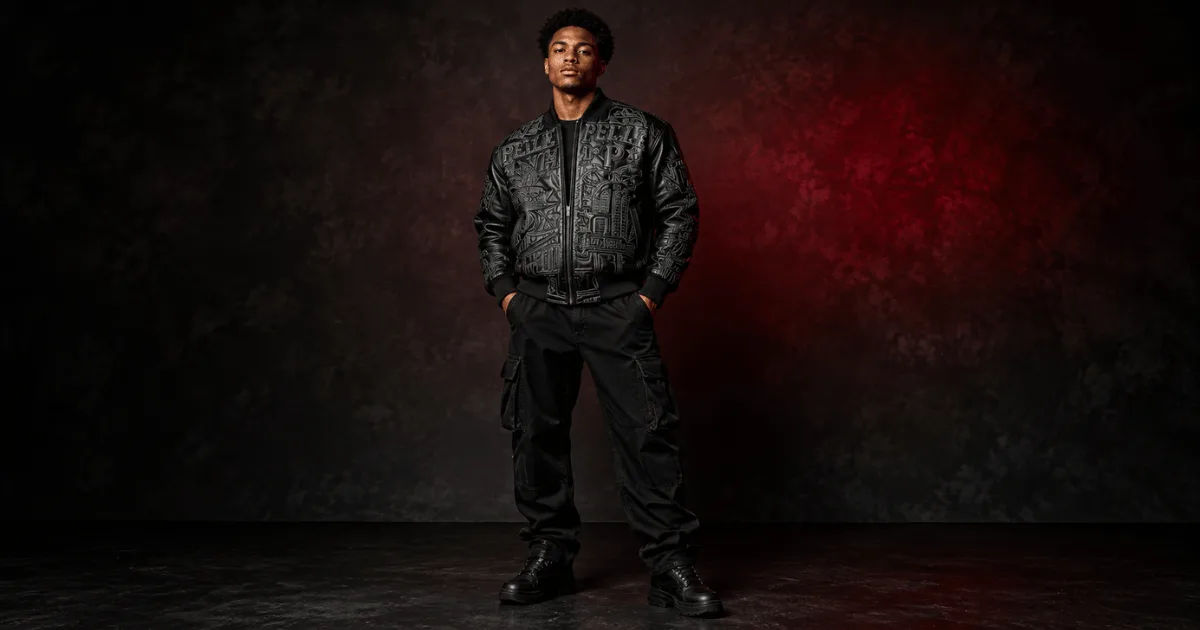 The answer depends on more than the leather itself. Thickness, lining, insulation, fit, length, and the weather you face all affect performance. A thin fashion jacket may be excellent for cool evenings but inadequate during freezing temperatures.
For anyone comparing winter leather outerwear, Pelle Pelle Store is a useful reference for understanding how different designs can vary. The key is to stop thinking of a leather jacket as automatically warm and instead look at the complete construction. When the shell, insulation, fit, and layers underneath work together, leather can be a very practical winter option.
How Warm Is Leather Naturally?
Leather is dense and naturally useful as a wind barrier. It can reduce the amount of cold air reaching your body, which is why a leather jacket can feel noticeably warmer than a lightweight shirt or thin fabric jacket.
However, leather is not the same as dedicated insulation. Down, synthetic fill, fleece, and thick wool are designed to trap warm air. A leather shell mainly provides protection from the outside. Pelle Pelle Store examples show why the outer shell should be evaluated alongside the inner construction.
That distinction explains why two leather jackets can have completely different winter performance. An unlined lambskin jacket may feel cool, while a heavyweight leather jacket with quilted insulation can be comfortable in much colder weather.
What Determines a Leather Jacket's Warmth?
Leather Thickness
Thicker leather generally offers stronger wind protection and feels more substantial. Heavy cowhide and steerhide are often associated with durable jackets that can handle colder conditions. A Pelle Pelle Store buyer should compare leather weight rather than assuming every model performs identically.
Still, thicker does not automatically mean warmer. A heavy shell without insulation may be less comfortable than a moderately thick jacket with a quality thermal lining.
Lining and Insulation
The interior is one of the most important things to inspect. A basic polyester lining makes a jacket comfortable to wear but does not provide much warmth.
Quilted padding, fleece, wool, synthetic insulation, or shearling can dramatically improve cold-weather performance. When comparing jackets at Pelle Pelle Store, inspect the lining as carefully as the exterior.
Collar and Cuffs
Cold air often enters through gaps rather than through the main body of the jacket. A high collar, secure cuffs, and adjustable closures can therefore make a noticeable difference. This is another detail worth checking across Pelle Pelle Store designs.
A jacket that seals around the wrists and neck can feel warmer than a thicker jacket with large openings.
Jacket Length
Short leather jackets protect the torso but leave the hips exposed. Longer coats provide more coverage and can be preferable when you spend substantial time outside.
For everyday winter commuting, the best length depends on how you travel. Pelle Pelle Store customers can use this simple test when deciding between shorter and longer cuts.
Someone getting into a heated car may prefer a shorter jacket, while someone walking outdoors may appreciate additional coverage.
Is a Leather Jacket Warm Enough for Freezing Weather?
It can be, but the specific jacket and your layering matter. A thin leather jacket worn over a T-shirt is unlikely to be comfortable for prolonged exposure to freezing temperatures.
An insulated leather jacket over a thermal shirt and sweater is a different situation. Add gloves, a scarf, warm trousers, and suitable footwear, and the overall outfit can handle considerably colder weather.
This is why a Pelle Pelle Store jacket should be judged by its individual construction rather than by the word "leather" alone. Check its lining, weight, insulation, and fit before deciding whether it suits your winter.
If you spend hours outside in severe cold, a specialized insulated winter coat may still outperform leather. Leather is excellent as a protective outer shell, but extreme cold requires a complete insulation system.
Leather Compared With Other Winter Materials
Leather vs. Wool
Wool is naturally insulating and can retain warmth effectively. A thick wool coat may therefore be warmer than an unlined leather jacket.
Leather has a different advantage: it can provide stronger wind protection and a structured outer barrier. For cool, windy weather, that combination can be very comfortable.
Leather vs. Down
Down jackets are designed for high warmth with relatively little weight. In genuinely severe cold, a quality down jacket will usually be more efficient than a heavy leather shell.
Leather wins when durability, structure, wind resistance, and classic style are important. The right choice depends on whether your priority is maximum thermal performance or a balance of warmth and everyday wearability. Pelle Pelle Store styles generally make more sense when selected around that priority.
Leather vs. Synthetic Insulation
Synthetic insulated jackets are commonly designed for wet and cold conditions. They are often lighter and easier to pack.
Leather offers a more substantial look and can become more characterful with age. For ordinary urban winter use, an insulated leather jacket can provide an attractive middle ground.
Does the Type of Leather Affect Warmth?
Yes. Leather types vary in weight, thickness, flexibility, and texture.
Lambskin is soft and lightweight, making it comfortable and refined, but it is usually less substantial than heavyweight cowhide. Cowhide can provide stronger protection and durability.
Shearling is especially interesting for winter because the leather exterior is paired with thick wool on the inside. A shearling jacket can be considerably warmer than a simple leather shell.
The finish matters too. Leather treated for weather resistance may handle moisture better than untreated material. Regardless of the type, regular care helps preserve the jacket's flexibility and condition.
How Layering Makes Leather Warmer
Layering is the easiest way to increase the usefulness of a leather jacket during winter.
Use a Thermal Base Layer
A thermal shirt creates a warm layer close to the body. Choose a comfortable material that manages moisture and does not make the jacket excessively tight.
Add a Mid-Layer
A wool sweater, fleece, hoodie, or light insulated vest can supply the insulation that the leather shell lacks.
The mid-layer should fit without compressing your body or restricting your arms. If it is too bulky, the outfit can become uncomfortable.
Let Leather Act as the Outer Shell
The leather jacket then protects the insulating layers from wind. This combination is often more practical than expecting the jacket itself to generate all the warmth.
Pelle Pelle Store styles can work well with sweaters and other winter layers when the jacket has enough room through the chest and sleeves.
Does Fit Affect Warmth?
Fit has a major effect on winter comfort. A jacket that is too tight may prevent you from adding a sweater or thermal layer.
Excessive tightness can also compress insulating layers. On the other hand, a jacket that is extremely loose may allow cold air to circulate around your torso.
The ideal fit leaves enough room for your normal winter layers while remaining secure around the collar and cuffs. When choosing from Pelle Pelle Store, think about what you will actually wear underneath instead of buying according to shirt size alone.
Can Leather Handle Snow and Rain?
Leather can tolerate limited moisture, but it is not automatically waterproof. Heavy rain or melting snow can damage some finishes if the material becomes saturated.
If you expect wet winters, choose appropriately treated leather and follow the care instructions supplied with the jacket. If leather becomes wet, let it dry naturally at room temperature. Avoid placing it directly against a radiator or strong heater.
Proper maintenance also matters. Pelle Pelle Store shoppers should treat leather care as part of the jacket's long-term performance. Cleaning, suitable conditioning, and correct storage can help prevent dryness and cracking.
When Is a Leather Jacket Warm Enough?
For mild and moderate winter weather, a leather jacket can be an excellent choice. It is especially useful when temperatures are cool, wind is present, and you spend only part of the day outside.
Its limits become clearer during prolonged freezing conditions, strong winds, heavy precipitation, or long periods of inactivity outdoors.
Consider your routine rather than relying on a universal temperature rating. Pelle Pelle Store customers should ask how long they will actually remain outdoors.
A person walking from a house to a car needs far less insulation than someone walking to work for forty minutes.
Pelle Pelle Store options should therefore be evaluated according to the weather and lifestyle they will actually serve.
How to Choose a Leather Jacket for Winter
Start with your climate. Then examine construction.
Look for substantial leather if wind resistance and durability are priorities. If warmth is important, prioritize insulated or quilted interiors. Check the collar, cuffs, zipper, and closures for gaps that could allow drafts.
Consider length too. Hip coverage is useful when you spend a lot of time outdoors, while a shorter design may be easier for driving and everyday movement.
Also consider layering space. A jacket that looks perfect over a T-shirt may become restrictive over a sweater.
If shopping at Pelle Pelle Store, compare individual product specifications rather than assuming every leather jacket has the same winter performance.
Common Mistakes to Avoid
The biggest mistake is assuming leather automatically equals warmth. The shell is important, but insulation often makes the greater difference.
Another mistake is choosing a very tight fit. Winter clothing needs room for layers.
Ignoring your hands, neck, legs, and feet is also a problem. A warm jacket cannot compensate for thin trousers or unprotected hands. Winter comfort comes from the entire outfit.
Finally, do not ignore maintenance. Poorly cared-for leather can dry out and lose its comfortable feel. Store it properly and follow the recommended care routine.
Pelle Pelle Store can help you explore different styles, but the smartest choice still requires checking the actual construction of the jacket.
Conclusion
So, is a leather jacket winter wear warm enough? In many cases, yes. But warmth depends on the jacket's design, not simply on the fact that it is made from leather. A substantial leather shell can block wind effectively, while proper insulation provides the heat-trapping layer your body needs.
For mild and moderate winter weather, a quality leather jacket may be all you need, particularly when paired with a sweater or thermal shirt. For freezing conditions, choose an insulated design and build the rest of your outfit around it. Thermal layers, gloves, scarves, warm trousers, and suitable footwear can make a major difference.
If you regularly spend long periods outside in severe cold, a specialized down or synthetic winter coat may be more practical. If you want a combination of durability, wind protection, style, and reasonable winter warmth, leather remains a strong option.
Pelle Pelle Store is worth considering as part of that search, but do not choose a jacket based only on appearance. Examine the leather weight, lining, insulation, fit, length, and closure system. Think about your climate and daily routine, then choose the jacket that matches those conditions.
For Pelle Pelle Store readers, the same rule applies: construction should come before appearance. Ultimately, the warmest leather jacket is not necessarily the thickest or most expensive one. It is the one whose construction works with your layering strategy and the weather you actually experience. With the right design and sensible layers, Pelle Pelle Store shoppers can build a practical winter wardrobe without giving up style.
Pelle Pelle Store can be one reference point, but the real goal is finding leather outerwear that gives you the right balance of warmth, comfort, durability, fit, and personal style.