Is ChubbyGorilla packaging safe for food storage?
Packaging safety is an important consideration whenever people store food, beverages, or household products in plastic containers. Not every plastic bottle is designed for the same purpose. Some containers are manufactured for cosmetics, personal care products, or other specialized uses, while others are specifically tested and approved for food contact. Understanding these differences helps prevent contamination and protects the quality of stored items. 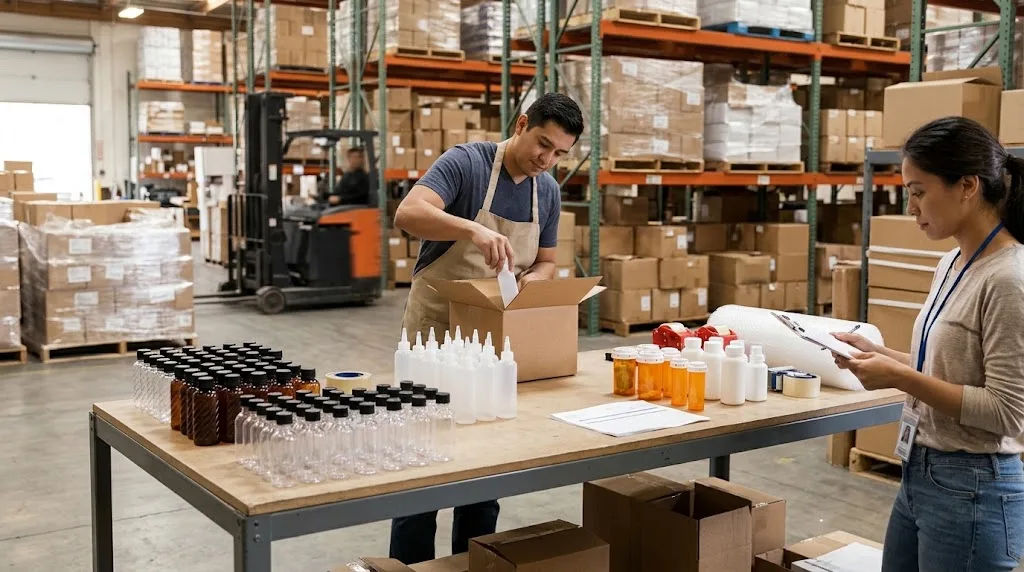 ChubbyGorilla is a recognizable name associated with specialized plastic bottle packaging. Its containers are often discussed because of their distinctive designs, durable appearance, and specialized closures. However, an attractive design or sturdy plastic construction does not automatically mean that a container is suitable for storing food.
Before considering any packaging for food storage, it is essential to understand its material, manufacturing standards, intended purpose, and food-contact certification. A container should only be used for food when the manufacturer clearly confirms that it is designed and tested for that purpose.
This guide explains the safety considerations surrounding ChubbyGorilla packaging, how food-grade plastic differs from ordinary packaging, what certifications matter, and how consumers can make informed decisions about plastic storage containers.
ChubbyGorilla Packaging
ChubbyGorilla packaging refers to a range of specialized plastic containers designed for particular packaging applications. These containers are generally recognized for their distinctive bottle shapes, secure closures, and practical construction.
Their appearance may make them seem similar to ordinary food-storage bottles. However, packaging products can have very different manufacturing requirements depending on what they are intended to hold.
For example, a bottle designed for industrial, cosmetic, or other specialized products may not undergo the same testing as a container manufactured specifically for beverages or food ingredients.
What Makes This Packaging Different?
Several characteristics distinguish specialized packaging from conventional food containers:
-
Bottle construction: Different plastic materials provide different levels of flexibility, strength, and chemical resistance.
-
Closure design: Caps and seals are developed to suit particular packaging requirements.
-
Material selection: Manufacturers select plastics according to the products they are intended to contain.
-
Product compatibility: Not every plastic is suitable for every substance.
-
Manufacturing standards: Different applications may require different quality-control and safety procedures.
These characteristics explain why consumers should examine the intended use of a container instead of judging its safety by appearance alone.
Is ChubbyGorilla Packaging Safe for Food Storage?
The most important question is whether a particular container has been manufactured and tested for food contact.
There is no universal answer that applies to every ChubbyGorilla container. Food-storage suitability depends on the exact product, the plastic material, the closure components, and the manufacturer's documented compliance with applicable food-contact regulations.
A container should not be assumed to be food-safe simply because it is made from plastic commonly used in packaging.
If the manufacturer does not explicitly identify a specific bottle as suitable for food contact, consumers should avoid using it to store food or beverages.
Why Food-Grade Certification Matters
Food-grade certification or documented food-contact compliance helps establish whether packaging materials are suitable for their intended contact with food.
Food-contact materials are evaluated for factors such as:
-
Chemical migration into food.
-
Material composition.
-
Intended temperature conditions.
-
Contact duration.
-
Compatibility with different food types.
-
Potential contamination from packaging components.
These considerations are important because substances from unsuitable packaging can sometimes migrate into the contents.
A container that safely holds one type of product may not necessarily be appropriate for another.
Does Durable Plastic Automatically Mean Food-Safe?
No. Durability and food safety are separate characteristics.
A plastic bottle may resist cracking, maintain its shape, and provide a secure closure without being approved for food storage.
Similarly, a container that appears clean and has no noticeable smell may still contain materials that have not been evaluated for food-contact applications.
The safest approach is to look for explicit confirmation from the manufacturer.
Materials Used in ChubbyGorilla Bottles
The material used to manufacture a plastic container plays a major role in determining its suitability for food storage.
According to the manufacturer's official FAQ, Chubby Gorilla Unicorn Bottles are manufactured using food-grade raw materials and are BPA-free. The company also directly answers that its containers and bottles are safe for food storage.
This is useful information, but consumers should still check the specifications of the particular product they intend to use.
Food-Grade Plastic
Food-grade plastic refers to plastic materials that meet the applicable requirements for their intended contact with food.
These requirements consider whether the material can release substances into food under specified conditions.
Common plastic materials used in food packaging include:
-
Polyethylene (PE): Commonly used in bottles, flexible packaging, and food containers.
-
Polypropylene (PP): Often used for caps, lids, reusable containers, and other packaging components.
-
Polyethylene terephthalate (PET): Frequently used for beverage bottles and food packaging.
Different plastics have different characteristics. Their suitability depends on the material formulation, manufacturing process, and intended application.
What Does BPA-Free Mean?
BPA stands for bisphenol A, a chemical used in manufacturing certain plastics and resins.
A BPA-free label indicates that the product is manufactured without intentionally using BPA in the relevant material. However, this label alone does not establish complete food-contact safety.
Other substances, including additives, colorants, and processing materials, may also need evaluation.
Therefore, consumers should consider food-contact compliance rather than relying exclusively on a BPA-free statement.
Important Food Safety Features
Several packaging features contribute to the overall safety and reliability of food containers.
Understanding these features helps consumers recognize the difference between general packaging quality and suitability for food storage.
Secure Closures
A secure closure helps prevent accidental spills and limits exposure to outside contaminants.
ChubbyGorilla packaging includes different closure designs depending on the product. The manufacturer identifies features such as integrated liners and specialized closures in certain packaging ranges.
However, a secure cap does not automatically make a container suitable for food.
The complete packaging system, including the bottle, cap, liner, and seal, should be appropriate for the intended food-contact application.
Tamper-Evident Features
Some packaging products include tamper-evident components.
These features help consumers recognize whether a container may have been opened or disturbed before purchase.
A tamper-evident seal can provide additional packaging confidence, but it does not guarantee that the contents are uncontaminated.
Consumers should always inspect packaging before using it.
Material Compatibility
Material compatibility is another important consideration.
Different foods have different properties. Some contain oils, acids, or other ingredients that may interact differently with packaging materials.
For example, a container approved for a particular dry food application may not necessarily be approved for long-term storage of oily or acidic products.
The manufacturer's instructions should identify the appropriate applications.
How to Determine Whether a Container Is Food-Safe
Before using any plastic packaging for food storage, consumers should verify several important details.
1. Check the Manufacturer's Information
Start by reviewing the official product description and technical information.
The manufacturer should clearly identify whether the specific container is intended for food contact.
For ChubbyGorilla products, the official FAQ provides a positive statement about food-storage suitability. Nevertheless, product-specific confirmation is important because the company offers several packaging categories.
2. Examine the Plastic Material
Look for information about the plastic used in the bottle and its closure.
A packaging specification may identify the material by name or recycling identification code.
However, recycling symbols should not be treated as proof of food safety. They identify material categories rather than confirming that a particular product meets all food-contact requirements.
3. Look for Food-Contact Compliance
Food-contact compliance provides more meaningful evidence than general marketing descriptions.
In the United States, the Food and Drug Administration regulates substances used in food-contact applications. Its evaluation considers factors such as chemical migration and the intended conditions of use.
Depending on the country, different regulations and certification documents may apply.
4. Inspect the Container's Condition
A container should be clean, intact, and free from visible damage.
Avoid using packaging that has:
-
Cracks or splits.
-
Damaged closures.
-
Missing or broken seals.
-
Unusual discoloration.
-
Visible residue.
-
Signs of deterioration.
A damaged container may no longer provide the protection expected from its original design.
5. Confirm the Intended Temperature Range
Temperature can influence the performance of plastic packaging.
Some containers are designed for room-temperature storage, while others may support refrigeration or specific washing conditions.
Do not assume that a food-safe bottle is automatically suitable for boiling liquids, microwaving, or freezing.
Always follow the manufacturer's temperature recommendations.
Can ChubbyGorilla Packaging Affect Food Quality?
Packaging can influence the quality of food during storage.
A suitable container helps protect its contents from environmental exposure, moisture, and other unwanted conditions.
However, packaging performance depends on several factors.
Protection Against Outside Contamination
A properly closed food container can help reduce exposure to dust, moisture, and environmental contaminants.
This is particularly important when storing ingredients that need to remain clean and dry.
Nevertheless, packaging cannot make contaminated food safe. Proper food handling and hygienic storage practices remain essential.
Maintaining Freshness
Air, moisture, light, and temperature can affect food quality.
Depending on the container's design, plastic packaging may provide different levels of protection against these factors.
A secure closure can reduce unnecessary exposure to outside air, but it does not necessarily create an airtight environment.
Consumers should check whether the packaging is designed to provide the level of protection required for the particular food.
Preventing Unwanted Odors
Some foods can absorb odors from their surroundings.
A clean, suitable container with an appropriate closure can help reduce unwanted odor exposure.
However, previously used packaging should not be assumed to be suitable for a different food simply because it looks clean.
Residual substances and odors may remain even when they are not immediately visible.
Does Food-Safe Packaging Need Special Cleaning?
Yes. Cleaning is an important part of maintaining food-storage hygiene.
Even when a manufacturer confirms that a container is suitable for food contact, proper cleaning and handling are still necessary.
Follow the Manufacturer's Washing Instructions
The manufacturer states that its containers are washable when the correct temperature is used.
This distinction matters because excessive heat may damage certain plastic materials or affect their shape.
Consumers should follow the washing temperature and cleaning recommendations provided for the exact product.
Avoid Harsh Cleaning Products
Cleaning products should be appropriate for food-contact surfaces.
Strong chemicals or unsuitable cleaning agents may leave residues or affect packaging materials.
Use cleaning products according to their labels and rinse food-contact surfaces appropriately.
Allow Containers to Dry Properly
Moisture left inside a container can encourage unwanted microbial growth under certain conditions.
After cleaning, containers should be allowed to dry completely according to the manufacturer's instructions.
A clean, dry storage environment helps maintain better hygiene.
Is BPA-Free Packaging Always Safe?
BPA-free packaging is often viewed as a positive feature, but it should not be the only factor considered when evaluating a food container.
There are several reasons for this.
First, BPA is only one chemical that may be relevant to plastic manufacturing.
Second, different materials have different chemical compositions.
Third, food-contact safety depends on how a container is used, including temperature, storage duration, and the type of food involved.
The FDA explains that food-contact substances are assessed according to their intended applications and potential migration into food.
Therefore, BPA-free labeling should be considered alongside material specifications and applicable food-contact compliance.
Common Mistakes to Avoid When Using Plastic Food Containers
Consumers sometimes make assumptions about packaging that can create unnecessary food-safety concerns.
Avoiding these mistakes can help improve storage practices.
Assuming Every Plastic Bottle Is Food-Grade
Not every plastic bottle is manufactured for food contact.
A container designed for one industry may have different material specifications from a food-storage container.
Always verify its intended use.
Using Containers for Unspecified Products
A container's original purpose matters.
Do not transfer food into packaging that previously held an unknown substance or a non-food product.
Residues may remain inside the bottle or its closure.
Ignoring Temperature Instructions
Heat can change the performance of certain plastics.
Do not expose containers to temperatures beyond their approved limits.
Likewise, avoid using a bottle for hot food or beverages unless the manufacturer explicitly permits that application.
Reusing Damaged Packaging
Repeated use can eventually affect the condition of plastic containers.
Scratches, cracks, worn closures, and damaged liners may reduce their suitability for continued storage.
Replace packaging when its condition becomes questionable.
Purchasing Unverified Products
Authenticity and product quality also matter.
The manufacturer warns consumers about counterfeit packaging, noting that imitation products may not meet its established standards or applicable regulatory requirements.
Buying from reliable sources and checking product authenticity can reduce the risk of receiving packaging with unknown specifications.
What Types of Food Storage Are Suitable?
Food-storage suitability depends on the manufacturer's approval for the particular packaging product.
Different food categories have different storage requirements.
Dry Food Ingredients
Dry ingredients generally require protection from moisture, dust, and environmental contamination.
A container specifically approved for the intended dry-food application may provide suitable storage when used according to its instructions.
Refrigerated Food
Refrigerated foods require containers that can tolerate the intended storage temperature.
Consumers should confirm that the packaging is approved for refrigeration and that its closure provides adequate protection.
Liquid Food Products
Liquid food products require suitable packaging materials and reliable closures.
The manufacturer should confirm compatibility with the particular liquid, including its acidity, oil content, and storage conditions.
Long-Term Food Storage
Long-term storage requires additional attention to material compatibility and packaging performance.
Not every food-grade container is designed to preserve food for extended periods.
Consumers should consider the recommended storage duration, environmental conditions, and food characteristics before selecting packaging.
Food Packaging Regulations and Safety Standards
Food-contact packaging is subject to regulations designed to protect consumers.
These standards help ensure that packaging materials are suitable for their intended applications.
United States Food and Drug Administration
The FDA evaluates substances used in food-contact materials under applicable food-contact regulations.
Its assessments consider potential chemical migration, exposure levels, and toxicological information.
This helps establish whether the intended use presents an acceptable level of safety.
International Food Safety Requirements
Different countries have their own packaging requirements.
For example, the European Food Safety Authority evaluates food-contact materials and the potential transfer of chemicals into food and beverages.
These requirements demonstrate why manufacturers must consider the markets in which their packaging products are sold.
Consumers should look for documentation relevant to their country and intended application.
Conclusion
Understanding food-storage safety requires more than looking at the appearance, strength, or convenience of a plastic bottle. Consumers should consider the material, manufacturing quality, intended application, closure design, and relevant food-contact requirements before choosing packaging.
The manufacturer of ChubbyGorilla provides a positive statement about food-storage suitability in its official FAQ. It specifically describes its Unicorn Bottles as using food-grade raw materials and being BPA-free. The company also confirms that its bottles and containers are suitable for food storage. This provides useful manufacturer-backed information for consumers evaluating its packaging.
However, it is still important to distinguish between individual product categories and verify the specifications of the exact container being considered. Food-contact approval should cover the complete packaging system, including the bottle, cap, liner, and any other components that may touch the contents.
Proper cleaning, appropriate storage temperatures, and careful inspection also contribute to better food-storage practices. Consumers should avoid using damaged, contaminated, or unidentified packaging for food.
Ultimately, ChubbyGorilla packaging has manufacturer-stated food-storage suitability, but responsible use requires following the instructions and conditions applicable to the specific product. Choosing properly documented food-contact packaging is one of the simplest ways to support food quality, hygiene, and consumer confidence.