Importance of Power Cable Grounding
When it comes to electrical installations, safety and efficiency are key priorities. Power cable grounding is one of the most critical aspects of a safe and reliable electrical system. Whether you are setting up a home, office, or industrial facility, proper grounding ensures that electricity flows safely and protects people, equipment, and property.
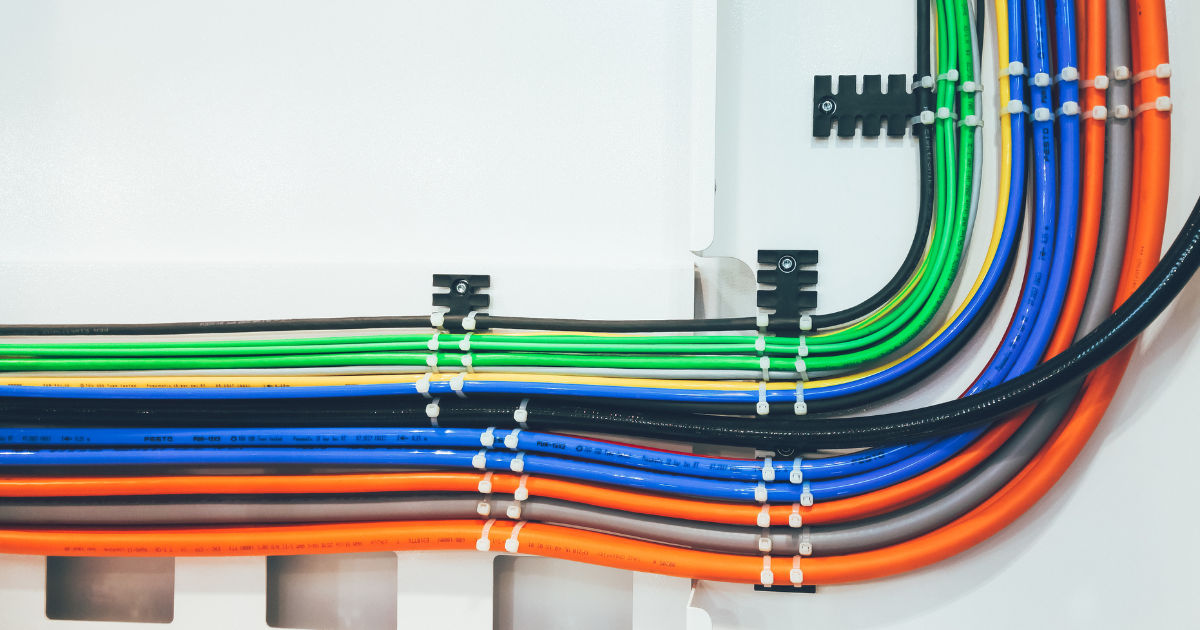 For those looking for quality solutions, a Fast Cables Supplier in Karachi can provide high-quality cables designed for reliable grounding and power distribution.
This comprehensive guide will explain the importance of power cable grounding, its benefits, types, installation techniques, common issues, and maintenance practices. By the end, you will have a complete understanding of why grounding is not just a technical requirement but a crucial safety measure.
What is Power Cable Grounding?
Power cable grounding, also known as earthing, is the process of creating a low-resistance path between electrical equipment and the earth. This pathway allows excess or stray electricity to safely flow into the ground rather than causing damage or posing a risk to people.
Grounding is especially important for high-voltage power systems and residential wiring alike. Without proper grounding, electrical shocks, fires, and equipment failures can occur, making it a critical safety component.
Electrical professionals often recommend sourcing grounding cables and accessories from a trusted Fast Cables Supplier in Karachi, ensuring they meet safety standards and offer high conductivity.
Why Power Cable Grounding is Essential
Grounding serves multiple critical purposes in electrical systems:
1. Safety of People
One of the primary reasons for grounding power cables is to protect individuals from electric shocks. When electrical devices or cables develop a fault, such as insulation failure, the grounding system provides a safe route for the current. This prevents the current from passing through a person who might touch the equipment.
2. Protection of Equipment
Electrical devices are sensitive to voltage fluctuations, lightning strikes, and short circuits. Grounding ensures that excess electricity is safely discharged into the earth, preventing damage to appliances, machinery, and sensitive electronics.
3. Fire Prevention
Faulty electrical systems can generate heat due to excessive current flow, potentially causing fires. Proper grounding reduces the risk of overheating and sparks, which helps protect buildings and infrastructure.
4. Voltage Stabilization
Grounding provides a reference point for the electrical system’s voltage. This ensures that voltage levels remain stable, preventing unexpected surges or dips that can affect the performance of electrical equipment.
5. Compliance with Electrical Codes
Electrical codes and regulations require proper grounding in residential, commercial, and industrial installations. Using certified materials from a Fast Cables Supplier in Karachi helps meet these legal and safety requirements.
Types of Power Cable Grounding
Grounding can be implemented in several ways, depending on the system requirements and the type of electrical network. The common types include:
1. Plate Grounding
This involves connecting a metal plate (usually copper or galvanized steel) to the earth using a grounding conductor. The plate increases the surface area in contact with the soil, providing an effective path for fault current.
2. Rod or Pipe Grounding
A rod or pipe, often made of copper or steel, is driven vertically into the ground. This type of grounding is common in residential installations and small commercial buildings due to its simplicity and effectiveness.
3. Strip or Wire Grounding
This method uses conductive strips or wires buried horizontally in the ground. It is suitable for areas where vertical space is limited or when multiple grounding points need to be interconnected.
4. Water Pipe Grounding
Grounding through metallic water pipes is an old but sometimes effective method. However, modern codes recommend direct rod or plate grounding for better reliability, since non-metallic pipes are now widely used.
Materials Used in Power Cable Grounding
The effectiveness of grounding depends heavily on the materials used. The common materials include:
-
Copper: Excellent conductivity, corrosion-resistant, and widely used.
-
Aluminum: Lighter and cost-effective but less conductive than copper.
-
Galvanized Steel: Durable and affordable, often used for rods and plates.
-
Grounding Conductors: Usually copper or tinned copper wires connecting cables to the ground system.
Purchasing grounding materials from a certified Fast Cables Supplier in Karachi ensures that they meet industry standards and provide optimal safety.
How Power Cable Grounding Works
Understanding how grounding works helps to appreciate its significance:
-
Normal Operation: Under normal conditions, electricity flows through the designated conductors, powering appliances and devices.
-
Fault Condition: If a short circuit or insulation failure occurs, excess current is directed into the grounding system.
-
Current Dissipation: The grounding system provides a low-resistance path to the earth, safely dissipating the current.
-
Protection Activation: Circuit breakers or fuses detect the abnormal current and disconnect the faulty circuit, preventing further hazards.
Common Grounding Issues and How to Avoid Them
Even with proper installation, grounding systems can develop problems if not maintained correctly. Here are common issues:
1. Corrosion of Grounding Materials
Moisture and chemicals in soil can corrode grounding rods, plates, and wires over time. Using copper or tinned copper and regular inspections help prevent this issue.
2. Loose Connections
Loose or poorly connected grounding wires reduce the effectiveness of the system. Ensure that connections are tightened and checked periodically.
3. High Soil Resistance
Dry or rocky soil may have high electrical resistance, reducing the efficiency of grounding. In such cases, multiple rods or chemical ground enhancers may be used.
4. Improper Sizing of Grounding Conductors
Using undersized wires or rods may not handle fault currents effectively. Always follow electrical code recommendations and consult a Fast Cables Supplier in Karachi for proper sizing.
Installation Guidelines for Power Cable Grounding
Proper installation is key to a functional grounding system. Here are essential guidelines:
1. Site Assessment
Evaluate the soil type, moisture level, and available space. This helps determine the best grounding method and materials.
2. Selection of Materials
Choose high-quality copper rods, plates, or wires. Ensure all connectors and clamps are corrosion-resistant.
3. Depth and Placement
For rod grounding, drive rods at least 8–10 feet into the ground. Keep rods away from building foundations but near electrical panels for effective connection.
4. Connection to Electrical Panels
Use proper clamps and lugs to connect grounding wires from power cables to the rod or plate. Avoid kinks or sharp bends in the wires.
5. Testing the System
After installation, test the grounding system’s resistance using a ground resistance tester. The ideal value is typically less than 5 ohms for residential systems.
Benefits of Proper Power Cable Grounding
Investing in a high-quality grounding system offers numerous benefits:
1. Enhanced Safety
Grounding prevents electric shocks and reduces the risk of fatal accidents, protecting both residents and workers.
2. Equipment Longevity
Electrical devices last longer when excess current is safely discharged, minimizing wear and tear caused by voltage surges.
3. Cost Savings
Preventing equipment damage and fires saves significant repair and replacement costs.
4. Legal Compliance
Proper grounding ensures adherence to electrical codes, avoiding legal penalties and insurance issues.
5. Reduced Downtime
Grounding minimizes system failures, maintaining continuous operation for homes, offices, and industries.
Role of a Fast Cables Supplier in Karachi
A reliable Fast Cables Supplier in Karachi plays a vital role in ensuring safe and effective power cable grounding. Such suppliers offer:
-
Certified copper and aluminum grounding cables.
-
Durable rods, plates, and connectors.
-
Guidance on selecting the right size and type for specific installations.
-
Support for maintenance and troubleshooting of grounding systems.
Choosing a reputable supplier ensures compliance with safety standards and reduces the risk of faulty installations.
Maintenance of Power Cable Grounding Systems
Regular maintenance is crucial to sustain the efficiency of grounding systems:
1. Visual Inspection
Check grounding rods, plates, and wires for corrosion, damage, or loose connections.
2. Electrical Testing
Use ground resistance testers periodically to ensure the system’s resistance remains within acceptable limits.
3. Soil Treatment
In areas with high soil resistance, chemical ground enhancers or moisture retention techniques may improve conductivity.
4. Update System Components
Replace worn-out rods, connectors, and wires promptly to maintain optimal grounding performance.
Common Myths About Grounding
Many people misunderstand grounding. Let’s debunk some common myths:
-
Myth 1: “Grounding is only necessary for industrial systems.”
Reality: Residential and commercial installations also require grounding for safety. -
Myth 2: “Any metal pipe can serve as a ground.”
Reality: Only properly installed conductive rods, plates, or wires provide effective grounding. -
Myth 3: “Grounding eliminates all electrical problems.”
Reality: Grounding improves safety but does not replace circuit protection devices like breakers or fuses.
Conclusion
Power cable grounding is a critical component of any electrical system, providing safety, equipment protection, and voltage stabilization. Whether in homes, offices, or industrial setups, grounding reduces the risk of electric shocks, fires, and equipment failure. By using high-quality materials and working with a trusted Fast Cables Supplier in Karachi, you can ensure that your grounding system is both safe and effective.
Proper installation, periodic testing, and regular maintenance are essential to maximize the benefits of grounding. Understanding the importance of grounding empowers individuals, electricians, and engineers to design safer electrical systems that protect lives, property, and investments.
Investing in reliable grounding today is not just a technical decision—it’s a long-term commitment to safety and efficiency. By prioritizing proper grounding, you can ensure that electricity serves its purpose without posing unnecessary risks.
For anyone seeking high-quality grounding solutions or power cables, always turn to a reputable Fast Cables Supplier in Karachi, ensuring durability, safety, and compliance with modern electrical standards.