
How to Regenerate Blue Silica Gel?
Blue Silica Gel is a highly effective moisture-absorbing material that is widely used to keep products dry and protected. You often find Blue Silica Gel packets inside shoe boxes, electronic packaging, medicine bottles, toolkits, and storage containers.
Over time, however, Blue Silica Gel becomes saturated with moisture and loses its drying ability. The good news is that Blue Silica Gel can be regenerated and reused multiple times, making it economical and environmentally friendly.
This comprehensive guide explains how to regenerate Blue Silica Gel safely and effectively. It is written in simple language for a 12th-grade audience, with short paragraphs and clear steps to help you understand the entire process.
What Is Blue Silica Gel?
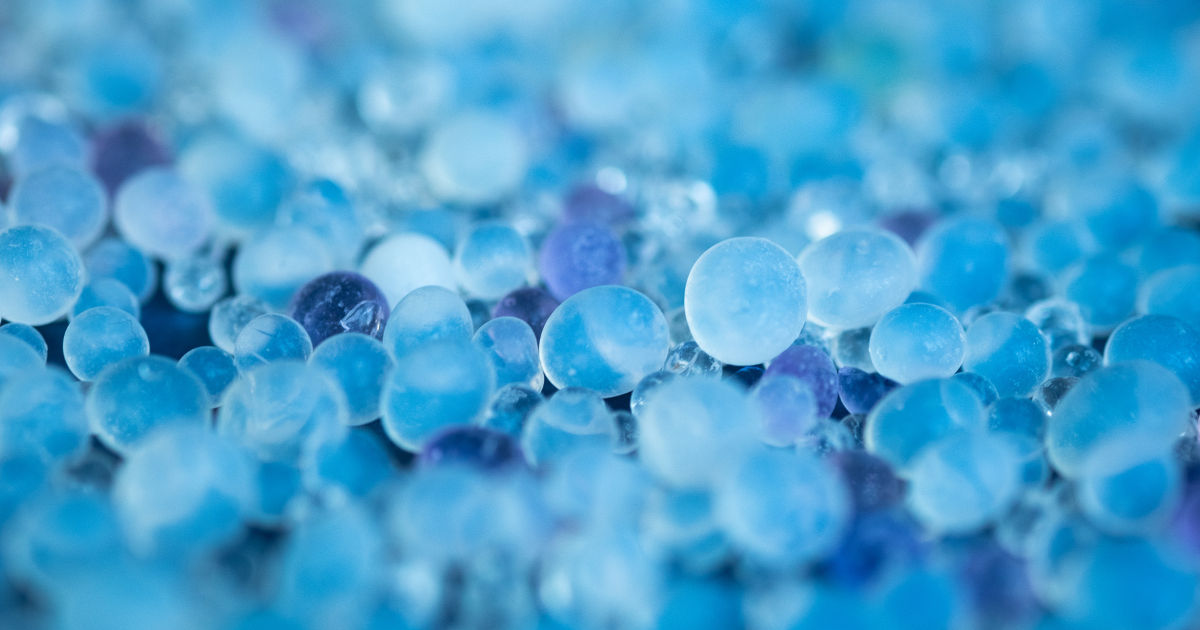
Blue Silica Gel is a form of silica gel that contains a moisture indicator. This indicator changes color as the gel absorbs water from the air. When dry, Blue Silica Gel appears deep blue. As it absorbs moisture, the color gradually turns light blue, pink, or pale, depending on saturation.
The color change makes Blue Silica Gel especially useful because you can easily tell when it needs regeneration. Unlike regular white silica gel, Blue Silica Gel provides a visual signal that it is no longer effective.
Blue Silica Gel works through adsorption, not absorption. Moisture sticks to the surface of the silica particles rather than being soaked inside them. This property allows Blue Silica Gel to release moisture when heated, which makes regeneration possible.
Why Does Blue Silica Gel Need Regeneration?
Blue Silica Gel has a limited moisture-holding capacity. Once it reaches that limit, it cannot absorb any more water. At this point, it stops protecting your items from humidity.
Regenerating Blue Silica Gel removes the trapped moisture and restores its drying ability. Instead of throwing it away, regeneration allows you to reuse the same Blue Silica Gel multiple times.
This process saves money and reduces waste. It is especially useful if you use Blue Silica Gel frequently in storage boxes, camera cases, or tool drawers.
Is Blue Silica Gel Safe to Regenerate?
Blue Silica Gel is generally safe to regenerate if handled properly. However, some types of Blue Silica Gel contain cobalt chloride as the indicator, which can be toxic if ingested.
You should never eat Blue Silica Gel or allow children and pets to play with it. When regenerating Blue Silica Gel, always work in a well-ventilated area and avoid direct contact with eyes and mouth.
Using gloves and heat-resistant containers is recommended for safety.
Signs That Blue Silica Gel Needs Regeneration
Knowing when to regenerate Blue Silica Gel is important for maintaining its effectiveness.
The most obvious sign is the color change. Dry Blue Silica Gel is deep blue. When it turns light blue or pink, it means the gel has absorbed moisture and needs regeneration.
Another sign is dampness in the container where Blue Silica Gel is used. If items begin to feel moist or develop a musty smell, the Blue Silica Gel may be saturated.
Regularly checking the color ensures timely regeneration.
Methods to Regenerate Blue Silica Gel
There are several effective ways to regenerate Blue Silica Gel. Each method uses heat to remove moisture. The choice depends on what equipment you have available.
Regenerating Blue Silica Gel Using an Oven
The oven method is one of the most reliable ways to regenerate Blue Silica Gel.
Step-by-Step Oven Method
First, preheat your oven to around 100–120°C (210–250°F). This temperature is hot enough to remove moisture without damaging Blue Silica Gel.
Spread the Blue Silica Gel evenly on a heat-resistant tray. Avoid stacking the gel too thickly, as this can slow the drying process.
Place the tray in the oven and heat for 1 to 2 hours. Stir the Blue Silica Gel every 30 minutes to ensure even heating.
Watch the color closely. As moisture evaporates, the gel will turn back to deep blue.
Once the color is fully restored, remove the tray and allow the Blue Silica Gel to cool completely before storing or using it again.
Regenerating Blue Silica Gel Using a Microwave
The microwave method is faster but requires extra caution.
Step-by-Step Microwave Method
Place a small amount of Blue Silica Gel in a microwave-safe container. Do not use metal.
Set the microwave to low or medium power. Heat the Blue Silica Gel in short intervals of 30 seconds.
After each interval, stir the gel and check the color. This prevents overheating and reduces the risk of damage.
Continue heating until the Blue Silica Gel turns deep blue again. Allow it to cool before handling.
Never microwave sealed packets unless they are labeled as microwave-safe.
Regenerating Blue Silica Gel Using Sunlight
Sunlight regeneration is a natural method but less effective.
Spread the Blue Silica Gel in a thin layer on a clean surface. Place it under direct sunlight for several hours.
This method works best in hot, dry climates. However, it may not fully regenerate Blue Silica Gel if humidity is high.
Sunlight regeneration is suitable for lightly saturated gel but not for heavily moisture-loaded Blue Silica Gel.
Regenerating Blue Silica Gel Using a Dehydrator
Food dehydrators provide controlled heat and airflow, making them ideal for regeneration.
Set the dehydrator to around 100°C. Place the Blue Silica Gel evenly on the trays.
Allow it to dry for 1 to 2 hours, checking the color regularly.
This method is safe and effective for repeated regeneration cycles.
How Long Does Regenerated Blue Silica Gel Last?
The lifespan of regenerated Blue Silica Gel depends on how and where it is used.
In sealed containers, regenerated Blue Silica Gel can remain effective for weeks or months. In open environments with high humidity, it may saturate faster.
Proper storage extends its effectiveness. Always store unused Blue Silica Gel in airtight containers.
How Many Times Can Blue Silica Gel Be Regenerated?
Blue Silica Gel can typically be regenerated many times without losing effectiveness.
With proper care, it can go through dozens of regeneration cycles. However, if the gel becomes cracked, contaminated, or fails to change color, it should be replaced.
Frequent overheating can reduce the lifespan of Blue Silica Gel, so always use moderate temperatures.
Common Mistakes to Avoid When Regenerating Blue Silica Gel
One common mistake is overheating. Excessive heat can damage Blue Silica Gel and reduce its adsorption ability.
Another mistake is regenerating Blue Silica Gel in sealed packets that are not heat-safe. This can cause melting or rupture.
Ignoring safety precautions is also risky. Always handle hot Blue Silica Gel carefully.
Proper Storage After Regeneration
Once regenerated, Blue Silica Gel should be stored immediately in an airtight container.
Exposure to air will cause it to absorb moisture again. Glass jars with tight lids or sealed plastic containers work well.
Label the container to avoid accidental ingestion and keep it away from children.
Uses of Regenerated Blue Silica Gel
Regenerated Blue Silica Gel is useful in many everyday situations.
It can be placed in shoe cabinets to prevent odor. It works well in camera bags to protect lenses.
You can also use Blue Silica Gel in toolboxes, food storage areas, and document storage to prevent moisture damage.
Reusing regenerated Blue Silica Gel makes it a versatile household solution.
Environmental Benefits of Regenerating Blue Silica Gel
Regenerating Blue Silica Gel reduces waste and lowers environmental impact.
Instead of throwing away used packets, regeneration allows reuse. This reduces landfill waste and conserves resources.
It also saves money over time, especially for businesses that use Blue Silica Gel in bulk.
Safety Tips for Handling Blue Silica Gel
Always wash your hands after handling Blue Silica Gel.
Avoid inhaling dust from broken beads. Keep it away from food and drinks.
If Blue Silica Gel comes into contact with eyes, rinse immediately with water.
Conclusion
Blue Silica Gel is an extremely useful moisture-control material that can be regenerated and reused multiple times. Understanding how to regenerate Blue Silica Gel properly allows you to extend its life and maintain its effectiveness. Whether you use an oven, microwave, sunlight, or dehydrator, the key is controlled heat and careful monitoring of the color change.
By regenerating Blue Silica Gel, you save money, reduce waste, and ensure reliable moisture protection for your belongings. Proper handling, safe temperatures, and correct storage are essential for best results. With the guidance provided in this comprehensive guide, you can confidently regenerate Blue Silica Gel and continue using it efficiently in everyday life.