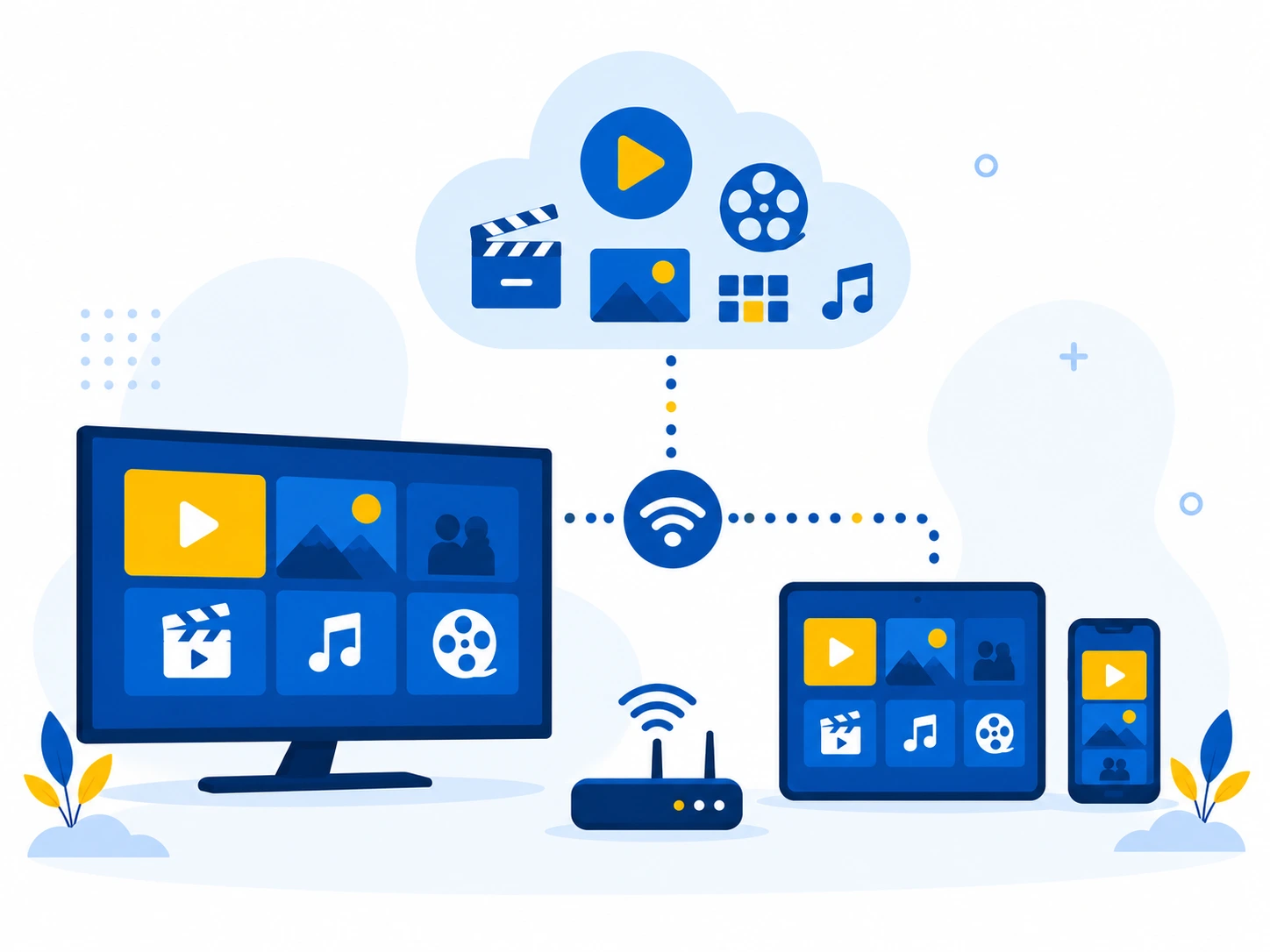
How Browser Edit PDF Online Works?
Many students and professionals now rely on tools that let them Edit PDF Online quickly and securely. Instead of downloading large software programs, users can open a web browser and start working within seconds. This shift has changed the way we handle digital documents at school, at work, and even at home.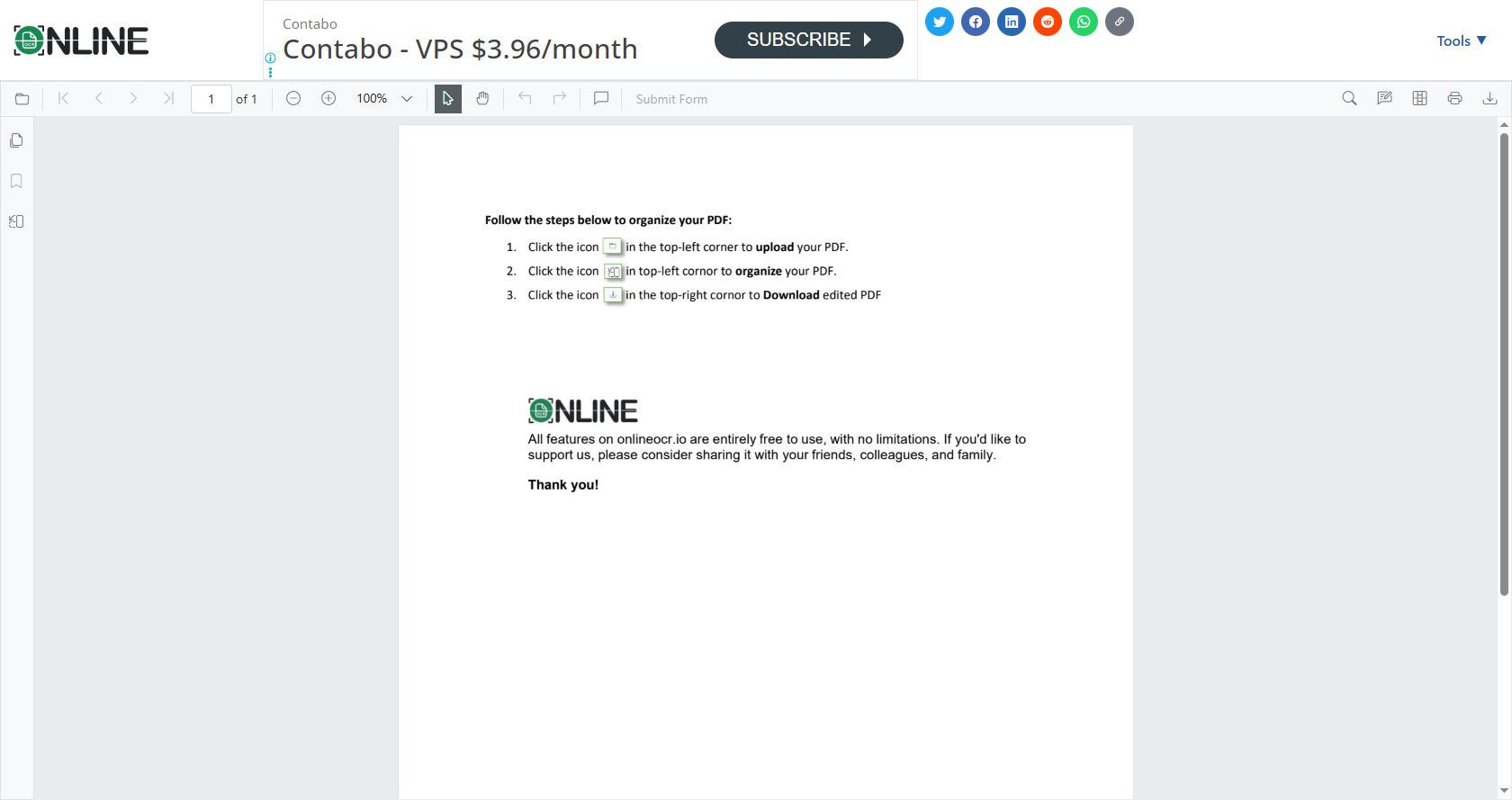
Today, more people prefer to Edit PDF Online because it is simple, fast, and accessible from almost any device. Whether you are completing homework, signing a contract, or updating a resume, understanding how these tools work can help you use them more effectively.
When you Edit PDF Online, your browser becomes a powerful workspace. It connects you to cloud-based software that processes your file without needing heavy installation. Everything happens through the internet, yet it feels like you are using a normal desktop application.
The ability to Edit PDF Online depends on modern web technologies that make complex tasks possible. In the past, editing PDFs required special programs installed on your computer. Now, browsers are advanced enough to handle these tasks directly.
Every time you Edit PDF Online, the browser sends your file to a secure server. The server reads the structure of the PDF and converts it into an editable format. Once you finish making changes, the system converts it back into a PDF file for download.
The Core Technologies Behind Online PDF Editing
To Edit PDF Online, several technologies work together in the background. These technologies ensure that documents load correctly and respond to your actions instantly.
HTML5 allows platforms to Edit PDF Online by displaying document content directly in the browser window. It structures the layout and ensures that text, images, and shapes appear correctly.
JavaScript plays a major role when you Edit PDF Online because it handles user interactions. When you click on text, highlight a sentence, or insert an image, JavaScript processes that action in real time.
Cloud servers make it possible to Edit PDF Online without using your device’s processing power. The heavy work, such as rendering pages and saving changes, happens on remote computers designed to handle large tasks efficiently.
How Security Works in Browser-Based PDF Editors
Security is one of the biggest concerns when people Edit PDF Online. Since documents may contain personal or professional information, protection is extremely important.
When you Edit PDF Online on a trusted platform, your file is usually encrypted. Encryption turns your data into a secure code while it travels between your device and the server.
It is still important to choose reputable services when you Edit PDF Online because not all websites offer the same level of security. Trusted platforms often delete files after a certain period and use secure connections marked by HTTPS.
Step-by-Step: What Happens When You Edit a PDF in a Browser
The process to Edit PDF Online is usually simple and user-friendly. Even beginners can follow the steps easily.
First, you upload the file you want to Edit PDF Online. You can often drag and drop the file into the browser window.
Second, the platform prepares the document so you can Edit PDF Online in real time. It analyzes the text, images, fonts, and layout.
Third, you can Edit PDF Online by adding text, deleting sections, inserting shapes, or highlighting important information. Most tools provide a toolbar similar to word processors.
After you Edit PDF Online, you download the updated file to your device. Some platforms also allow you to save it directly to cloud storage.
Key Features Available in Online PDF Editors
Modern platforms that let you Edit PDF Online offer many features designed for convenience and productivity.
Editing Text
One of the main reasons people Edit PDF Online is to change text. This might include correcting spelling errors or updating outdated information.
When you Edit PDF Online, you can click on a text box and start typing. Many tools also let you adjust font size, color, and alignment.
Managing Images
Another benefit of choosing to Edit PDF Online is image control. Images can be inserted, removed, or repositioned.
You can Edit PDF Online by resizing images or adjusting their placement within the document. This is especially useful for presentations and marketing materials.
Adding Annotations
Students often Edit PDF Online to highlight notes or add comments to study materials.
When you Edit PDF Online for study purposes, annotation tools help you underline key points and write explanations in the margins.
Filling Forms and Adding Signatures
Businesses frequently Edit PDF Online to fill forms and complete official paperwork.
Digital signatures are easier when you Edit PDF Online because you can draw, type, or upload your signature directly into the document.
Advantages of Editing PDFs in a Browser
There are many advantages to Edit PDF Online instead of using desktop software.
One major advantage of choosing to Edit PDF Online is accessibility. You can work from any device with internet access, including school computers or shared devices.
Cost savings also motivate users to Edit PDF Online. Many web-based tools offer free versions or affordable subscriptions.
Another benefit when you Edit PDF Online is automatic updates. You do not need to install new versions because the service updates itself on the server.
Limitations to Consider
Although it is convenient to Edit PDF Online, there are some limitations to keep in mind.
Large files may take longer to Edit PDF Online because they require more processing power and internet bandwidth.
Some advanced design features may not be available when you Edit PDF Online compared to professional desktop publishing software.
Performance and Speed Factors
The speed at which you Edit PDF Online depends on your internet connection and device performance.
A stable connection helps you Edit PDF Online without interruption. Slow internet may cause delays when uploading or downloading files.
Editing PDFs Across Different Devices
You can Edit PDF Online on laptops, desktop computers, tablets, and even smartphones.
Mobile users also Edit PDF Online through apps or mobile-friendly websites. The layout may adjust to fit smaller screens, but the core features remain similar.
Collaboration and Teamwork
Teams often Edit PDF Online together when working on group projects or business reports.
When multiple people Edit PDF Online, some platforms allow real-time collaboration. This means changes appear instantly for everyone involved.
Cloud Storage Integration
Many services that allow you to Edit PDF Online also provide cloud storage.
This means that after you Edit PDF Online, your document can be stored safely online instead of only on your device.
Comparing Browser Editing to Desktop Software
Before web apps became popular, users needed installed programs to manage PDFs. Now they can Edit PDF Online instead of relying on installed programs.
Unlike traditional software, when you Edit PDF Online, you do not need to worry about system compatibility or storage space.
Choosing the Right Online PDF Editor
When selecting a platform to Edit PDF Online, consider security, ease of use, and available tools.
You should also review features before you Edit PDF Online regularly for school or work tasks.
Reading user reviews can help you decide where to Edit PDF Online safely and efficiently.
The Future of Online PDF Editing
The future of how we Edit PDF Online looks promising as technology continues to improve.
Artificial intelligence may soon help users Edit PDF Online faster by suggesting corrections, organizing layouts, and improving formatting automatically.
Practical Tips for Better Results
To get the best results when you Edit PDF Online, keep your files organized and clearly named.
Always double check your work after you Edit PDF Online to ensure formatting, spelling, and layout are correct before sharing the document.
Conclusion
Browser-based PDF editing has transformed the way we handle digital documents. What once required expensive software and advanced technical knowledge can now be done through a simple web browser. By combining technologies like HTML5, JavaScript, and cloud computing, online platforms make document editing accessible to almost everyone.
The process works by uploading your file to secure servers, converting it into an editable format, allowing you to make changes, and then converting it back into a downloadable PDF. Security features such as encryption and secure connections help protect sensitive information during this process.
There are clear advantages to using browser-based editors. They are accessible, affordable, and compatible with many devices. Students can complete assignments, professionals can update contracts, and teams can collaborate in real time. Automatic updates and cloud storage add even more convenience.
However, it is important to understand the limitations. Internet speed affects performance, and some advanced features found in professional design software may not be available. Choosing a reliable and secure platform is essential to ensure your data remains protected.
Looking ahead, improvements in artificial intelligence and cloud technology will likely make browser-based editing even more powerful. Faster processing, smarter tools, and enhanced collaboration features will continue to shape the future of digital document management.
In conclusion, understanding how browser tools function gives you confidence and control over your documents. By learning how the system processes files, protects data, and enables editing features, you can make smarter decisions and work more efficiently in both academic and professional settings.