Drug Rehab Programs: How They Really Work
Drug addiction rehab is often misunderstood. Many people think rehab is only about stopping drug use for a few weeks and then returning to normal life.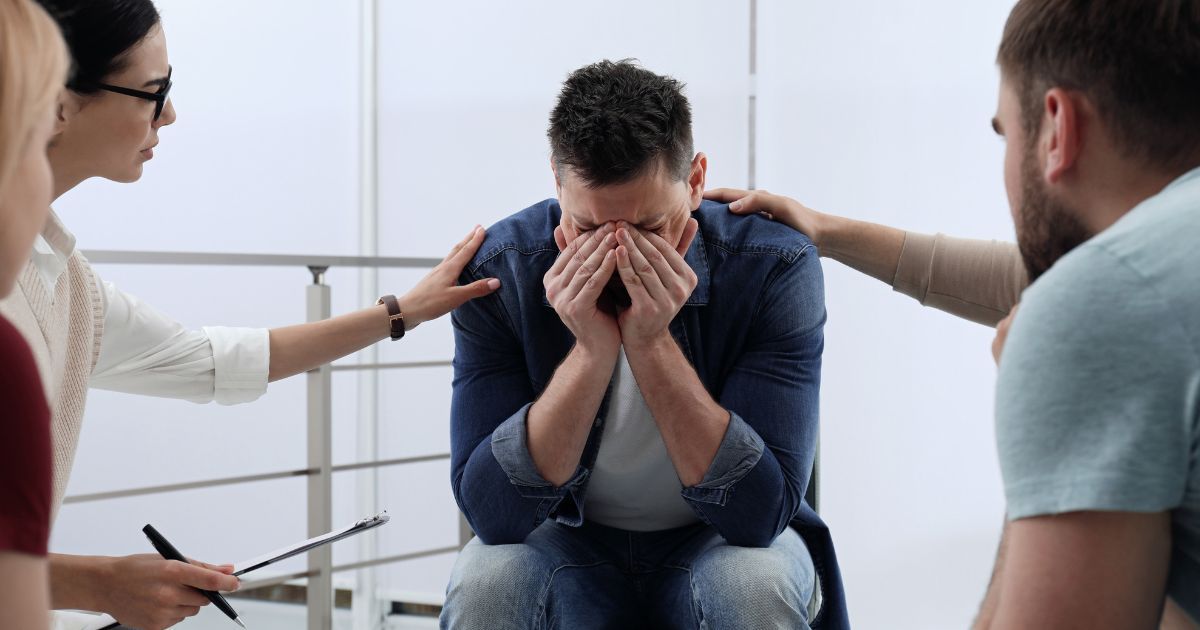
In reality, drug rehab programs are carefully designed systems that help people heal physically, mentally, and emotionally. Drug addiction rehab focuses on long-term recovery, not quick fixes.
This comprehensive guide explains how drug rehab programs really work, what happens at each stage, and why drug addiction rehab is one of the most effective ways to overcome substance use disorders.
The content is written in simple language for a 12th-grade audience, with short paragraphs for easy understanding.
Understanding Drug Addiction and Recovery
What Is Drug Addiction?
Drug addiction is a chronic condition. It affects the brain and behavior. A person struggling with addiction cannot simply “quit” through willpower alone. This is why drug addiction rehab is so important.
Addiction changes how the brain processes pleasure, stress, and decision-making. Over time, drugs take control of daily life. Drug addiction rehab helps reverse these changes through medical care and therapy.
Why Professional Rehab Is Necessary
Many people try to stop using drugs on their own. Unfortunately, relapse is common without support. Drug addiction rehab provides structure, supervision, and evidence-based treatment.
Professional rehab programs reduce risks during withdrawal. They also teach skills that help prevent relapse. This makes drug addiction rehab a safer and more effective option than quitting alone.
Types of Drug Rehab Programs
Inpatient Drug Rehab Programs
Inpatient programs require patients to live at a treatment facility. These programs offer 24/7 care and supervision. Drug addiction rehab in an inpatient setting is ideal for severe addiction cases.
Patients follow a structured daily schedule. This includes therapy, group sessions, meals, and rest. The controlled environment helps people focus fully on recovery.
Outpatient Drug Rehab Programs
Outpatient programs allow patients to live at home while attending treatment sessions. Drug addiction rehab in outpatient settings works well for mild to moderate addiction.
These programs offer flexibility. Patients can continue work or school. However, strong self-discipline is required for success in outpatient drug addiction rehab.
Partial Hospitalization Programs
Partial hospitalization is a middle option. Patients attend treatment for several hours a day but return home at night. This type of drug addiction rehab provides intensive care without full-time residence.
The Admission and Assessment Process
Initial Evaluation
Every drug addiction rehab program begins with an assessment. Medical professionals evaluate physical health, mental health, and substance use history.
This step ensures that the treatment plan matches the patient’s needs. No two drug addiction rehab plans are exactly the same.
Personalized Treatment Planning
After assessment, a customized plan is created. This plan outlines therapy methods, medical support, and recovery goals. Personalized planning makes drug addiction rehab more effective.
Detoxification: The First Major Step
What Is Detox?
Detox is the process of clearing drugs from the body. It is often the first phase of drug addiction rehab. Withdrawal symptoms can range from mild to severe.
Medical detox ensures safety. Doctors monitor vital signs and provide medications if needed. This makes drug addiction rehab safer during early recovery.
Importance of Medical Supervision
Detox without medical care can be dangerous. Some substances cause severe withdrawal symptoms. Drug addiction rehab facilities provide trained staff to manage complications.
Therapy and Counseling in Drug Rehab
Individual Therapy
Individual counseling is a core part of drug addiction rehab. Patients work one-on-one with a therapist to explore triggers and behaviors.
This therapy builds self-awareness. It also helps develop healthier coping strategies through drug addiction rehab.
Group Therapy
Group therapy allows patients to connect with others facing similar struggles. Sharing experiences reduces isolation. Group sessions are essential in drug addiction rehab.
Patients learn from one another. They also practice communication and accountability in a supportive environment.
Family Therapy
Addiction affects families deeply. Family therapy is often included in drug addiction rehab programs. It helps repair trust and improve communication.
Family involvement strengthens recovery. Support at home plays a key role after drug addiction rehab ends.
Behavioral Therapies Used in Rehab
Cognitive Behavioral Therapy (CBT)
CBT helps patients recognize negative thinking patterns. This therapy is widely used in drug addiction rehab.
Patients learn how thoughts influence behavior. Changing thoughts reduces the risk of relapse after drug addiction rehab.
Dialectical Behavior Therapy (DBT)
DBT focuses on emotional regulation. It is especially helpful for people with intense emotions. Many drug addiction rehab centers use DBT techniques.
Medication-Assisted Treatment (MAT)
What Is MAT?
MAT combines medication with therapy. It is commonly used in drug addiction rehab for opioid and alcohol addiction.
Medications reduce cravings and withdrawal symptoms. This allows patients to focus on therapy during drug addiction rehab.
Benefits and Misconceptions
Some believe MAT replaces one drug with another. In reality, MAT is medically supervised. It supports long-term recovery in drug addiction rehab.
Daily Life Inside a Rehab Program
Structured Schedules
Structure is vital in drug addiction rehab. Daily schedules create stability and routine.
Patients attend therapy sessions, educational workshops, and wellness activities. This structure prepares them for life after drug addiction rehab.
Healthy Habits and Self-Care
Nutrition, exercise, and sleep are emphasized. Drug addiction rehab teaches patients how to care for their bodies again.
Healthy habits improve mood and energy levels. They also support long-term recovery beyond drug addiction rehab.
Education and Life Skills Training
Learning About Addiction
Education is a powerful tool in drug addiction rehab. Patients learn how addiction affects the brain and body.
Understanding addiction reduces shame. Knowledge empowers patients to stay committed to drug addiction rehab.
Developing Practical Skills
Many rehab programs teach job skills, time management, and stress control. These skills help patients rebuild their lives after drug addiction rehab.
Addressing Mental Health Disorders
Dual Diagnosis Treatment
Many people in drug addiction rehab also have mental health disorders. This is called dual diagnosis.
Treating both conditions together improves outcomes. Integrated care is a key feature of effective drug addiction rehab.
Long-Term Mental Wellness
Therapy continues to address anxiety, depression, and trauma. Mental health support remains important even after drug addiction rehab ends.
Aftercare and Relapse Prevention
Importance of Aftercare
Recovery does not end when rehab ends. Aftercare planning is a major part of drug addiction rehab.
Aftercare may include counseling, support groups, and sober living homes. These services support long-term success after drug addiction rehab.
Relapse Prevention Strategies
Patients learn how to identify triggers. They also practice coping skills. These strategies are taught throughout drug addiction rehab.
Relapse prevention focuses on awareness and action. Preparation reduces the risk of returning to drug use.
Support Groups and Community Resources
Role of Peer Support
Support groups like NA or SMART Recovery complement drug addiction rehab. They provide ongoing encouragement.
Peer support reminds individuals they are not alone. Community connection strengthens recovery after drug addiction rehab.
Building a Sober Network
A strong support network is essential. Drug addiction rehab encourages patients to build healthy relationships.
Positive social connections reduce relapse risk. Support continues beyond drug addiction rehab.
Common Myths About Drug Rehab Programs
Rehab Is Not a One-Time Cure
Many believe rehab “fixes” addiction permanently. Drug addiction rehab is the beginning, not the end.
Recovery is a lifelong process. Rehab provides tools, not instant solutions.
Rehab Is Only for Severe Addiction
Rehab helps people at all stages of addiction. Early intervention through drug addiction rehab can prevent serious consequences.
Choosing the Right Drug Rehab Program
Factors to Consider
Choosing a program depends on addiction severity, mental health, and personal responsibilities. Quality drug addiction rehab programs offer personalized care.
Accreditation and experienced staff are important. A good program supports recovery at every stage.
Questions to Ask Before Admission
Ask about treatment methods, aftercare, and success rates. Transparency is a sign of a reliable drug addiction rehab facility.
The Real Goal of Drug Rehab Programs
Building a New Way of Life
The true goal of drug addiction rehab is lifestyle change. Patients learn how to live without substances.
Recovery focuses on purpose, responsibility, and hope. These values guide life after drug addiction rehab.
Long-Term Recovery and Growth
Rehab helps people rediscover their strengths. Growth continues long after leaving drug addiction rehab.
Recovery is not just about avoiding drugs. It is about building a meaningful life.
Conclusion
Drug rehab programs are far more than temporary treatment centers. They are structured systems designed to heal the whole person. Drug addiction rehab addresses physical dependence, emotional struggles, and behavioral patterns all at once.
From detox to therapy, education, and aftercare, every stage of drug addiction rehab serves a clear purpose. Programs are personalized, evidence-based, and focused on long-term success. They teach skills that help people manage stress, avoid relapse, and rebuild relationships.
Most importantly, drug addiction rehab offers hope. It shows individuals that recovery is possible with the right support and commitment. While the journey is not easy, professional rehab provides the tools needed for lasting change.
Choosing drug addiction rehab is a courageous step. It is an investment in health, stability, and a better future. With proper care, support, and continued effort, long-term recovery is achievable, and life beyond addiction can be fulfilling and meaningful.