Does Clifton grocery delivery include vegetables?
Fresh vegetables are an essential part of everyday meals, so it is natural to ask whether Clifton grocery delivery services include them in their available grocery selections. In most cases, grocery delivery is designed to provide more than packaged foods, drinks, and household products. Fresh produce, including vegetables, is commonly available through supermarkets, local grocery stores, and online grocery platforms serving Clifton.
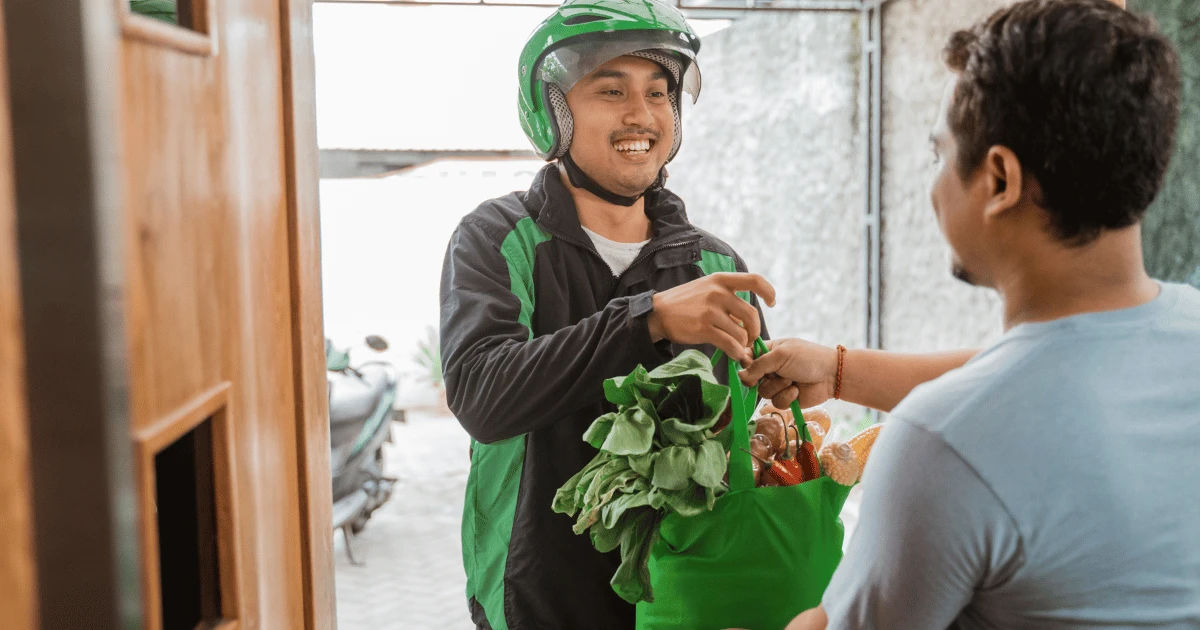
However, the exact vegetable selection depends on the individual store, delivery service, season, availability, and delivery area. Some services may offer a large produce section with leafy greens, root vegetables, tomatoes, peppers, and other fresh items. Others may have a smaller selection focused on frequently purchased vegetables.
Understanding what is available can help shoppers choose the right service and plan their meals more easily. This guide explains what customers can generally expect when ordering vegetables, how freshness is handled, what types of vegetables may be available, and what to check before placing an order.
What Does Clifton Grocery Delivery Usually Include?
A grocery delivery service typically allows customers to select everyday food and household products through a website, mobile application, or online ordering system. The available inventory depends on the retailer supplying the order.
Vegetables are often included as part of the fresh produce category. Customers may be able to purchase individual vegetables, pre-packed quantities, mixed produce, or prepared vegetable products.
For example, a typical online grocery store may list:
-
Potatoes
-
Onions
-
Tomatoes
-
Carrots
-
Cucumbers
-
Bell peppers
-
Spinach
-
Lettuce
-
Broccoli
-
Cauliflower
-
Cabbage
-
Green beans
-
Peas
-
Garlic
-
Ginger
The exact selection can change from day to day. Fresh produce has limited shelf life, and stores may remove products temporarily when they are unavailable or do not meet their quality standards.
Are Fresh Vegetables Available for Home Delivery?
Yes, fresh vegetables can commonly be ordered for home delivery. Many grocery retailers treat produce as a standard category rather than a special-order item.
When using Clifton grocery delivery, customers can usually browse the produce section and add vegetables to their digital shopping basket. Depending on the service, vegetables may be sold by weight, by individual piece, or in packages.
For instance, potatoes might be listed by kilogram, while cucumbers or bell peppers may be sold individually. Leafy vegetables may be offered in bags, bunches, or containers.
The ordering process is generally straightforward. Customers select their preferred vegetables, choose the desired quantity, enter their delivery information, and complete checkout.
What Types of Vegetables Can You Order?
The range of vegetables depends on the retailer, but most full-service grocery stores offer several categories.
Root Vegetables
Root vegetables are popular because they are useful in many different meals and generally have a longer storage life than delicate produce.
Potatoes, carrots, turnips, radishes, and similar vegetables may be available. These products are often suitable for soups, curries, roasted meals, salads, and side dishes.
Leafy Greens
Leafy vegetables require more careful handling because they can lose freshness quickly.
Common options include spinach, lettuce, kale, and other salad greens. Some stores may offer both loose vegetables and pre-washed or packaged varieties.
Customers should check the product description to determine whether the vegetables are washed, trimmed, or ready to eat.
Fresh Cooking Vegetables
Many households regularly purchase tomatoes, onions, peppers, eggplants, zucchini, cabbage, and similar products.
These vegetables are especially useful for everyday cooking. They can be added to sauces, stir-fries, soups, salads, sandwiches, and traditional home-cooked meals.
Frozen Vegetables
Some grocery delivery platforms also provide frozen vegetables. These can include peas, mixed vegetables, corn, spinach, broccoli, and other products.
Frozen vegetables are different from fresh produce, but they can be convenient for customers who want products with a longer storage period.
How Fresh Are Delivered Vegetables?
Freshness is one of the most important concerns when ordering produce online. Customers cannot physically examine vegetables before purchasing them, so the retailer's picking and handling process matters.
A reliable grocery operation normally stores produce under appropriate conditions and selects products for orders based on available inventory.
However, freshness can vary. A vegetable that looks perfect in a store may not remain in the same condition during transportation, particularly during hot weather or extended delivery periods.
When using Clifton grocery delivery, customers should look for information about how produce is selected, packed, and transported. If the service provides a substitution or quality preference option, shoppers may also be able to communicate their preferences.
How Are Vegetables Packed for Delivery?
Packaging methods vary according to the vegetable.
Hard vegetables such as potatoes, onions, and carrots may be placed directly into grocery bags or suitable produce packaging. More delicate items may require additional protection.
Leafy greens, berries, herbs, and soft vegetables can be more vulnerable to crushing. Proper separation from heavy grocery items can reduce damage during transportation.
Some retailers use reusable bags, paper bags, plastic produce bags, boxes, or specialized packaging. The method depends on the store and its delivery system.
Customers who order several different types of groceries may want to check their vegetables immediately after delivery. This makes it easier to identify damaged or missing items while the order is still recent.
Can You Choose Individual Vegetables?
Many online grocery services provide customers with different quantity options. Some vegetables can be purchased individually, while others are sold in fixed packages or by weight.
For example, a shopper might select two cucumbers, three bell peppers, or a particular weight of potatoes. Packaged salad greens may only be available in a predetermined package size.
The product page normally explains how an item is sold. Reading this information before adding products to the basket can prevent confusion about quantity and price.
What Happens If a Vegetable Is Out of Stock?
Fresh produce can sell out quickly, especially during busy periods. When an item is unavailable, the store may offer a substitution.
For example, if a particular package of spinach is unavailable, the retailer might suggest another package size or a similar product. Whether substitutions are allowed depends on the ordering system.
Some platforms allow customers to select a replacement preference. Others may simply remove unavailable items from the order and adjust the final price.
Before completing a Clifton grocery delivery order, customers should review the substitution settings if the service provides them. This is particularly useful when vegetables are needed for a specific recipe.
Can You Request High-Quality Produce?
Some grocery platforms allow customers to leave notes or select preferences for fresh produce. However, customers should not assume that every service offers personalized produce selection.
If notes are available, a shopper may be able to request reasonable preferences such as avoiding visibly damaged produce.
Nevertheless, grocery shoppers should remember that produce naturally varies in size, shape, color, and appearance. A vegetable does not necessarily have to look perfectly uniform to be fresh and useful.
The best approach is to use the options provided by the retailer rather than expecting special handling that has not been advertised.
Are Organic Vegetables Available?
Organic vegetables may be available from some grocery stores, but this is not guaranteed.
Larger supermarkets often have separate organic produce categories. Smaller grocery services may have fewer organic options.
When shopping online, customers should look carefully at product descriptions and labels. If organic certification is important, the product information should clearly identify the item as organic rather than relying only on photographs.
Prices can also differ between conventional and organic vegetables, so customers should compare the unit price when available.
Are Vegetables More Expensive Through Delivery?
Delivery does not necessarily make every vegetable more expensive, but the total cost of an online grocery order can include additional charges.
Depending on the service, customers may encounter:
-
Delivery fees
-
Minimum order requirements
-
Service charges
-
Small-order fees
-
Membership costs
-
Product-specific price differences
Some retailers offer free delivery when customers reach a certain order value or subscribe to a delivery program.
Therefore, shoppers should compare the final checkout total rather than looking only at the listed price of individual vegetables.
How Can You Keep Delivered Vegetables Fresh?
Proper storage can help vegetables remain fresh after delivery.
Potatoes and onions are usually best stored in a cool, dry, well-ventilated place rather than in a sealed plastic bag. Leafy greens often benefit from refrigeration and appropriate moisture control.
Carrots, broccoli, cauliflower, and many other vegetables are generally refrigerated to maintain quality.
Customers should follow the storage guidance provided on the packaging when available. Different vegetables have different storage requirements, so treating every type of produce the same way may reduce its shelf life.
It is also helpful to inspect vegetables when the order arrives. Remove any damaged items and store the rest appropriately.
What Should You Check Before Ordering Vegetables?
Before placing a Clifton grocery delivery order, shoppers should spend a few minutes reviewing the available produce.
First, check whether the vegetables you need are currently in stock. Online inventory can change quickly.
Second, review the unit of sale. A product may be priced per item, package, kilogram, or another measurement.
Third, check product descriptions for details such as organic status, washing, packaging, and quantity.
Fourth, review the delivery window. Fresh vegetables are best received when someone is available to put temperature-sensitive products away promptly.
Finally, check the final order summary for additional charges and substitutions.
How Should You Choose a Grocery Delivery Service?
The best service is not necessarily the one with the largest vegetable selection. Reliability, product quality, delivery times, pricing, and customer support all matter.
A good grocery delivery service should make it easy to understand what is being purchased. Product names, sizes, prices, and availability should be clearly displayed.
Customers should also look at the service's policies for damaged, missing, or unavailable products.
If vegetables are an important part of your regular shopping, compare produce selections before choosing a provider. A service that offers a wide variety of packaged groceries may not necessarily have the strongest fresh-produce selection.
Is Same-Day Vegetable Delivery Possible?
Same-day delivery may be available depending on the retailer, delivery zone, time of day, and available delivery slots.
However, customers should not assume that every service provides same-day delivery. Delivery availability can change during weekends, holidays, busy periods, and high-demand hours.
If same-day delivery is important, check the available time slots during checkout. The system should provide the most accurate information for the specific order.
For urgent grocery needs, it can also be useful to choose vegetables that are commonly stocked rather than specialty produce that may have limited availability.
Tips for Getting Better Results From Grocery Delivery
A few simple habits can make online vegetable shopping more convenient.
Plan Before You Shop
Create a meal plan before opening the grocery app or website. This reduces unnecessary purchases and helps ensure that you order the correct vegetables.
Check Quantities Carefully
Online stores may sell similar products in different sizes. Always confirm whether you are buying one vegetable, one package, or a particular weight.
Order Regularly Used Produce
If you frequently cook at home, maintain a list of vegetables that you use most often. This can make future orders faster.
Review the Basket
Before paying, review every item and quantity. This is especially important when similar vegetables have different package sizes.
Inspect the Order
Once your groceries arrive, check the vegetables for damage and confirm that the correct items were delivered.
Common Questions About Vegetable Delivery
Does grocery delivery include fresh vegetables?
Many grocery delivery services include fresh vegetables as part of their standard produce selection. Availability depends on the individual retailer.
Can I order vegetables with other groceries?
Yes. Most full grocery services allow customers to combine vegetables with meat, dairy, pantry products, beverages, snacks, and household supplies in one order.
Are frozen vegetables available?
Many grocery stores offer frozen vegetables in addition to fresh produce. The exact selection depends on the retailer.
Can I choose how many vegetables I want?
This depends on how each product is sold. Some items can be purchased individually, while others come in fixed packages or are priced by weight.
What if my vegetables arrive damaged?
Contact the retailer according to its customer-service or refund policy. Many services have procedures for reporting damaged or incorrect products.
Is organic produce available?
Some retailers offer organic vegetables, while others may have a limited selection. Customers should check product descriptions for accurate information.
Conclusion
Vegetables are commonly included in grocery delivery services, making online shopping a practical option for households that want to purchase fresh produce without visiting a store. Whether you need everyday staples such as potatoes, onions, tomatoes, and carrots or prefer leafy greens and specialty vegetables, the available selection will depend on the retailer serving your area.
When choosing Clifton grocery delivery, it is important to look beyond the basic promise of home delivery. Check the available produce, pricing, quantities, delivery windows, substitution policies, and customer-service options. These details can have a significant effect on the overall shopping experience.
Freshness should also be a priority. Because vegetables are perishable, proper selection, packaging, transportation, and storage all contribute to their final quality. Customers should inspect their order when it arrives and store each vegetable according to its needs.
Online grocery shopping can save time and make regular meal planning easier, particularly for busy households. With a little preparation, customers can order the vegetables they need alongside their other groceries and have everything delivered directly to their home.
Ultimately, the best choice depends on the individual store and its current inventory. Checking the online produce section before placing an order is the most reliable way to determine which vegetables are available, how they are sold, and when they can be delivered. With careful comparison and realistic expectations, grocery delivery can be a convenient way to keep fresh vegetables available for everyday cooking.