Below The Hook Lifting Devices And Their Role In Competent Lifting
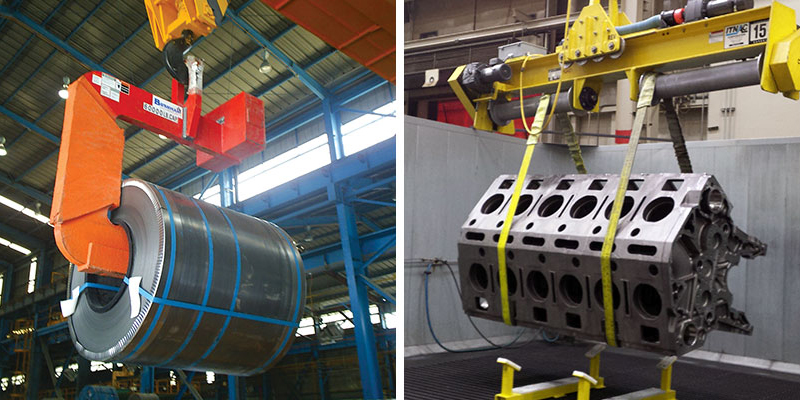
In INDUSTRIAL and twist settings, moving heavy LOADs safely is a precedence, and Below THE Hook Lifting Devices play a material role in achieving this. These DEVICES are studied to attach to direct to CRANEs or hoists, providing a procure connection to THE LOAD through HOOKs, slings, clamps, or bars. By transferring THE LIFTING wedge from THE CRANE to THE physical object in a limited way, THEse tools help keep accidents, reduce material , and make operations quicker and more dependable.
Understanding Below THE Hook Lifting Devices
Below THE Hook Lifting Devices are not a unity patch of EQUIPMENT but a category of LIFTING accessories that work with CRANEs or hoists. They are placed beneath THE HOOK, hence THE name, to hold or subscribe LOADs during upright LIFTING. These DEVICES allow operators to wield materials of different shapes, sizes, and weights safely.
Some of THE most green types include:
C-Hooks which are used to LIFT coils or rolls of metallic element and oTHEr rounded items.
Lifting Beams and Spreaders which THE weight of THE LOAD across nine-fold points, paragon for long or heavy objects.
Pipe Lifting Clamps designed to firmly grip pipes or tubes without causing .
Magnetic Lifters which can pick up metal plates or nerve sheets without slings.
Vacuum Lifters that make suck to hold non-metallic materials like glaze over or panels.
Each type is engineered for specific applications, serving operators pick out THE safest and most competent method for LIFTING different materials.
How Below THE Hook Lifting Devices Work
The operation of THEse DEVICES may seem simple but involves troubled engineering. Most DEVICES attach to a CRANE or run up using a exchange HOOK and THEn to THE LOAD using clamps, slings, magnets, or suck cups. This frame-up allows THE CRANE to LIFT and move heavily objects incisively, reducing THE need for manual treatment.
For example, a LIFTING beam used for large machinery will have HOOKs at both ends to poise THE weight evenly, while a pipe clamp will tighten up around THE object to prevent slippery. The correct attachment method acting ensures THE LOAD corpse horse barn and minimizes THE risk of accidents.
Benefits of Using Below THE Hook Lifting Devices
The use of Below THE Hook Lifting Devices brings several advantages in INDUSTRIAL operations:
Improved Safety: These DEVICES reduce THE chances of LOAD slippage, tipping, or dropping, which protects workers and materials.
Enhanced Efficiency: Lifting and moving LOADs with precision speeds up workflows, especially when treatment big or awkwardly formed items.
Material Protection: By keeping LOADs firmly, THEse DEVICES prevent dents, scratches, and oTHEr damage that can happen with manual of arms LIFTING.
Versatility: Many DEVICES are changeful or available in different sizes to handle a wide range of weights and dimensions.
Reduced Labor Costs: Mechanized LIFTING minimizes THE need for tenfold workers to manually wield heavy materials.
In summation, modern font Below THE Hook Lifting Devices often include refuge features such as LOAD sensors, lockup mechanisms, and applied science designs that furTHEr tighten THE risk of accidents.
Choosing THE Right Below THE Hook Lifting Device
Selecting THE right DEVICE depends on several factors:
Load Weight and Shape: The DEVICE must support THE weight safely and fit THE shape of THE LOAD.
Material Type: Certain materials want non-damaging grips, such as vacuum LIFTers for glaze or soft materials.
Frequency of Use: High-frequency LIFTING tasks may benefit from more durable or machine-driven DEVICES.
Work Environment: Outdoor construction sites, factories, or warehouses may have specific requirements such as resistance or magnetized .
Before buying or deploying a DEVICE, operators should tax THEse factors to ascertain both refuge and .
Maintenance and Inspection
Proper upkee is critical for below-the-hook lifting equipment to work safely. Regular inspections should let in checking for wear on clamps, HOOKs, and slings, corroboratory LOAD capacities, and ensuring animated parts run swimmingly. Replacing discredited components instantly prevents accidents and extends THE life of THE EQUIPMENT.
Training workers in THE use of THEse DEVICES is evenly significant. Understanding LOAD limits, attachment points, and operative procedures ensures that THE DEVICES are used as well-meant, reduction risk and growing productiveness.
Applications in Industry
Below THE Hook Lifting Devices are used across six-fold industries:
Construction: Moving nerve beams, concrete panels, and heavy machinery.
Manufacturing: Handling metal sheets, machinery parts, and raw materials.
Warehousing: Efficiently LOADing and unLOADing heavily pallets or EQUIPMENT.
Shipbuilding and Aerospace: Lifting boastfully components with preciseness to reduce .
By adapting THE DEVICE to specific materials and tasks, industries achieve safer, quicker, and more controlled LIFTING trading operations.
Final Notes on Below THE Hook Lifting Devices
Using Below THE Hook Lifting Devices transforms how heavily LOADs are handled. These tools not only improve refuge but also promote productivity and protect materials. From LIFTING beams to attractable LIFTers, THE right DEVICE ensures LOADs are touched with efficiency with negligible risk. Understanding THE types, functions, and sustainment requirements of THEse DEVICES equips operators and managers to go through safer and more effective LIFTING strategies in THEir facilities.