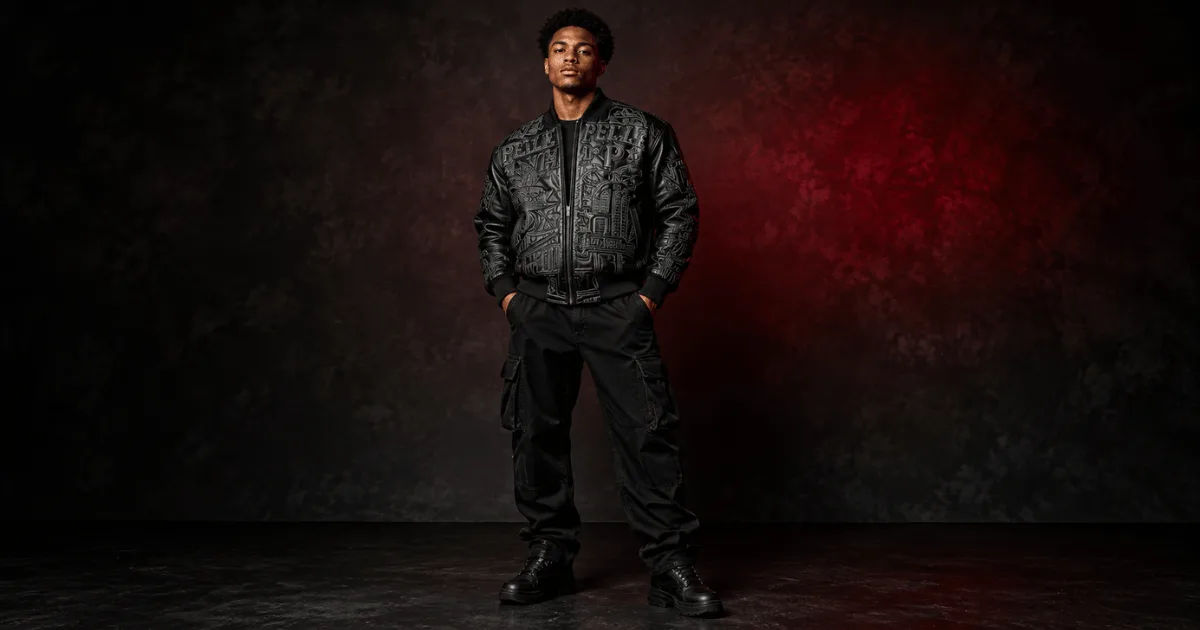
The Ever-evolving World Of Forge Habiliment
Fashion has been an intact part of human being creation for centuries. From ancient civilizations to Bodoni times, populate have used article of clothing to express themselves, showcase their perceptiveness beliefs, and make statements. The forge manufacture is constantly evolving, and new trends every season. In this clause, we will explore the chronicle of forge Nachhaltige Naturseifen and how it continues to shape beau monde now.
Fashion vesture can be traced back to antediluvian civilizations, where fabrics were hand-woven and sewn to produce garments. In ancient Egypt, dress were designed to shine the mixer status of the wearer. The higher the position, the more intricate and indulgent the article of clothing was, with the use of fine materials and embellishments like gold and preciously stones. In ancient Greece and Rome, fashion wear was also used to refer social status, but it was also influenced by the mood and environment. Loose and flowy garments were nonclassical in warmer climates, while warmer and more structured pieces were worn in colder regions.
The Middle Ages saw a shift in fashion clothing as the focus on soured to reserve and functionality. Clothes were often bedded, with the use of undergarments to maintain a unpretentious appearance, especially for women. However, towards the end of the Middle Ages, fashion started to become more work out and nonfunctional, with the rise of the Renaissance time period. Colorful and elaborated habiliment became nonclassical among the affluent and elite, showcasing their wealth and status.
The Industrial Revolution in the 18th century brought substantial changes to the forge manufacture. The invention of the sewing machine made article of clothing production quicker and more efficient, leadership to the growth of set-to-wear habiliment. This allowed for a wider straddle of styles and designs to be available to the hoi polloi. Women s fashion also saw a significant transfer during this time, with the presentation of the corset and the hourglass see becoming the nonpareil body form.
In the 20th century, forge truly became more available to the general populace. Designers such as Coco Chanel and Christian Dior introduced subverter designs, thought-provoking the orthodox silhouettes and incorporating elements such as knickers for women and simpler lines. The 1960s saw a new wave of fashion with the rise of juvenility and the bear of picture trends such as the mini skirt and the bell-bottom knickers. The fashion manufacture continuing to develop over the decades, with the 1980s and 1990s delivery bold and experimental styles, and the 2000s offering a fusion of old and new trends.
Today, the fashion industry continues to thrive, with an accretionary emphasis on property and ethical practices. Designers are now incorporating eco-friendly materials and promoting fair push on conditions for fit out production. The rise of mixer media and e-commerce has also made fashion more accessible to a world hearing. With the tick of a button, anyone can buy out the current trends from the soothe of their own home, making fashion more common than ever before.
In Recent eld, the construct of slow fashion has also gained popularity. Rather than perpetually following fast fashion trends, slow fashion promotes investment in timbre, dateless pieces that are made to last. This transfer in outlook is in response to the harmful touch on that fast fashion has on the environment and the workers within the industry.
In conclusion, forge vesture has a long and rich account, perpetually evolving and adapting to social changes. It is not just a substance of our bodies, but a way to utter ourselves, make statements, and shine our taste beliefs. As consumers, we have the major power to form the time to come of forge by supporting property practices and qualification intended choices in our purchases. Fashion is not just about what we wear, but it is an integral part of our planetary .