Are Best Perfumes for Women suitable for every season?
Finding a fragrance that smells beautiful is one thing, but finding one that works well throughout the year is another. The Best Perfumes for Women can often be worn in more than one season, but that does not mean every fragrance performs equally well in hot summer weather, cool spring days, rainy autumn evenings, and cold winter nights.
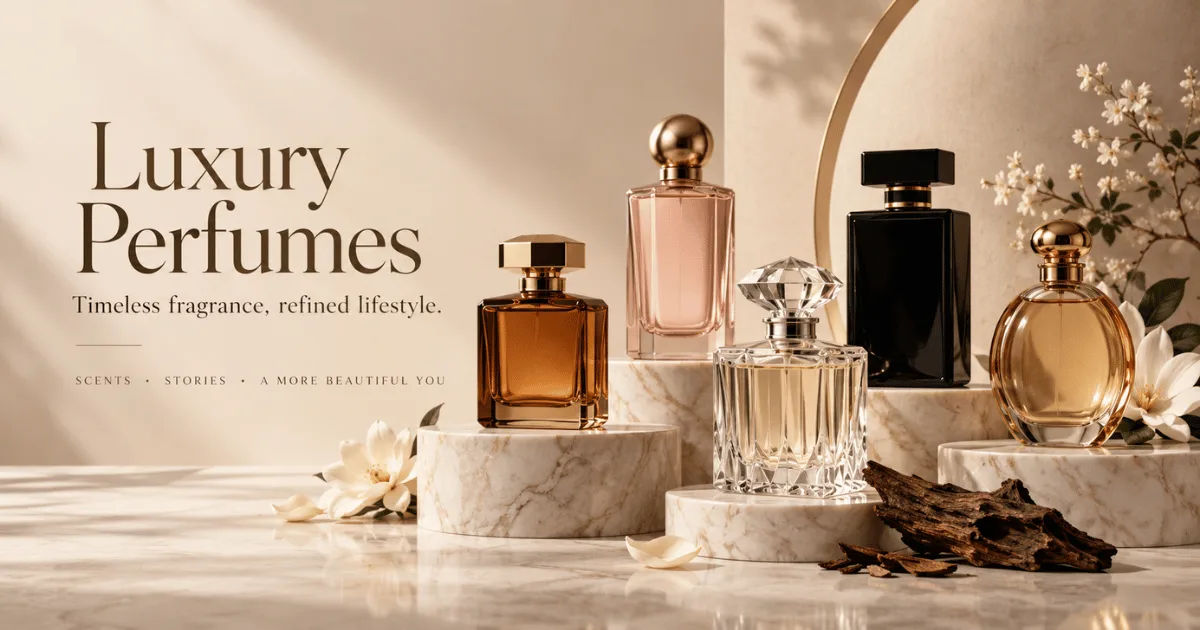
Temperature, humidity, clothing, skin chemistry, and even the setting can change how a perfume smells and how long it lasts. A fragrance that feels fresh and elegant during summer may seem too light in winter, while a rich winter scent can become overwhelming under the heat of the sun.
The good news is that you do not necessarily need a different perfume for every season. Understanding fragrance families, notes, concentration, and application can help you choose versatile scents that work across much of the year.
Why Does Season Matter When Wearing Perfume?
Perfume is not static once it is sprayed onto your skin. It develops over time as different fragrance ingredients evaporate. Temperature plays an important role in this process.
Warm weather generally makes fragrance develop and project more quickly. This can make bright citrus, aquatic, fruity, and floral scents feel energetic and noticeable.
Cold weather slows evaporation. As a result, deeper fragrances containing woods, amber, vanilla, musk, spices, and resins can feel more expressive and comforting.
Humidity can also influence the experience. In humid conditions, a fragrance may feel heavier or more noticeable because moisture affects how scent molecules behave around the skin.
This is why a perfume that seems perfectly balanced in a cool store may feel much stronger when worn outdoors on a hot afternoon.
What Makes a Perfume Suitable for Multiple Seasons?
Some fragrances are naturally more versatile than others. The Best Perfumes for Women for year-round use usually have a balanced composition rather than being dominated by one extremely strong character.
Balanced Fragrance Notes
A perfume containing several types of notes can adapt more easily to changing weather.
For example, citrus or floral top notes can provide freshness, while musk, woods, or soft vanilla in the base can add warmth. This combination can feel light enough for spring and summer while still having enough depth for autumn and winter.
Balanced fragrances are particularly useful if you prefer having one signature scent rather than maintaining a large perfume collection.
Moderate Projection
Projection refers to how strongly a fragrance radiates from your skin.
Very powerful perfumes can be difficult to wear comfortably in hot weather. A fragrance with moderate projection is often easier to adapt because you can increase or decrease the number of sprays depending on the temperature and occasion.
This gives you more control without changing your entire fragrance wardrobe.
Versatile Fragrance Families
Certain fragrance families tend to work across several seasons.
Floral fragrances are especially adaptable. A fresh floral can work beautifully in spring and summer, while a floral blended with vanilla, amber, or woods can transition comfortably into colder months.
Woody fragrances can also be versatile when they combine fresh or floral elements with their deeper base.
Some fruity fragrances are equally flexible, especially when the fruit notes are balanced with musk, woods, or soft florals rather than heavy sweetness.
Are Perfumes Better for Summer?
Summer generally favors fragrances that feel clean, fresh, airy, and easy to wear.
Citrus and Fresh Notes
Citrus notes such as lemon, bergamot, orange, and grapefruit often create a refreshing impression. They can be especially pleasant during warm weather because they give the fragrance a bright and energetic character.
Green notes, watery accords, and light aromatic ingredients can also work well.
Light Floral Scents
Fresh jasmine, rose, peony, orange blossom, and other airy florals can be excellent summer choices.
The key is balance. A floral fragrance with a very dense vanilla, caramel, or resinous base may feel much heavier once the temperature rises.
How to Apply Perfume in Hot Weather
You usually do not need as many sprays during summer as you might during winter.
Applying fragrance to pulse points such as the wrists and neck can provide enough scent without creating excessive projection.
Avoid repeatedly spraying a strong fragrance simply because you cannot smell it immediately. Your nose can become accustomed to a scent quickly, even when people around you can still detect it.
Can the Same Perfume Work in Spring?
Spring is one of the easiest seasons for experimenting with fragrance.
The weather is often moderate, so both fresh and slightly warmer perfumes can work.
Floral and Green Fragrances
Spring naturally pairs well with floral, green, and fruity scents. Fragrances with rose, peony, jasmine, pear, apple, or green leaves can create a fresh seasonal feeling.
However, you do not have to choose something specifically labeled as a spring fragrance.
A versatile perfume with a fresh opening and warm base can transition easily from cooler mornings to warmer afternoons.
What About Autumn?
Autumn creates an opportunity to move toward richer fragrance profiles.
As temperatures fall, fragrances with woods, amber, musk, spices, and vanilla often become more comfortable.
Warm Floral and Woody Scents
A floral fragrance with a creamy or woody base can be particularly effective during autumn.
For example, a perfume may open with bright citrus or fruit and gradually develop into musk, sandalwood, amber, or vanilla. This type of structure gives you freshness at first and warmth later.
That balance is one reason versatile fragrances can remain useful beyond a single season.
Why Sweetness Works Better in Cooler Weather
Sweet fragrances can become intense in heat. Cooler temperatures often make vanilla, caramel, tonka bean, and amber feel smoother and less overwhelming.
This does not mean sweet perfumes cannot be worn during summer. It simply means that application and fragrance intensity become more important.
Are Perfumes Suitable for Winter?
Winter is often the easiest season for wearing rich and powerful perfumes.
Cold air can reduce projection, allowing deeper notes to develop without becoming overwhelming.
Warm and Deep Notes
Vanilla, amber, oud, patchouli, sandalwood, leather, spices, and musk are common choices for colder weather.
These notes can create a cozy, elegant, and sophisticated feeling.
However, a versatile perfume does not necessarily need all of these ingredients. Even a fresh fragrance can work in winter if it has enough depth in its middle and base notes.
Adjusting Application in Cold Weather
You may need slightly more fragrance in winter because cold temperatures can reduce projection.
Still, more sprays are not automatically better. Start with a moderate amount and allow the fragrance to develop before deciding whether additional application is necessary.
Can One Perfume Really Work All Year?
Yes, but there is an important distinction between working in every season and performing optimally in every season.
A versatile perfume may smell pleasant year-round, but its character can change depending on the weather.
For example, a fresh floral may feel crisp and energetic in summer but softer and more delicate in winter.
Likewise, a woody perfume may feel elegant and airy during autumn but richer during colder winter evenings.
The Best Perfumes for Women are not necessarily those that smell exactly the same throughout the year. Instead, a great year-round fragrance should remain attractive and comfortable even when its performance changes slightly.
How Skin Chemistry Changes Seasonal Performance
Two people can wear the same perfume and get different results.
Skin moisture, natural oils, body temperature, and individual chemistry can influence how fragrance develops.
Dry skin may cause some perfumes to disappear faster. Moisturized skin can sometimes help fragrance last longer.
Weather adds another layer to this effect.
Someone living in a hot and humid climate may experience a fragrance very differently from someone wearing it in a cold, dry environment.
For this reason, testing a perfume on your own skin is more useful than judging it only from a paper test strip.
How to Make a Year-Round Perfume More Versatile
You can often adapt one perfume to different seasons without buying another bottle.
Change the Number of Sprays
Use fewer sprays in hot weather and consider slightly more in colder conditions.
This simple adjustment can dramatically change the intensity.
Change Where You Apply It
For warm weather, applying perfume to less exposed areas can help keep the fragrance more controlled.
During colder months, applying it to pulse points and clothing, where appropriate for the fabric and fragrance, can help extend its presence.
Always be cautious with delicate or light-colored clothing because some perfume formulas may leave marks.
Layer Carefully
Layering can make a fragrance more flexible, but it should not be done randomly.
A clean, unscented moisturizer can provide a simple base. If you use two scented products, make sure their profiles complement each other rather than competing.
Should You Own Different Perfumes for Different Seasons?
There is no rule that says you need four perfumes every year.
If you have found a fragrance you love and it works comfortably in your climate, there is nothing wrong with wearing it throughout the year.
However, having two or three fragrances can give you more flexibility.
You might keep a fresh scent for hot days, a balanced everyday fragrance for transitional weather, and a warmer scent for cold evenings.
This approach is often more practical than trying to find one fragrance that performs perfectly in every possible situation.
What Should You Consider Before Buying a Year-Round Perfume?
Think about your local climate first.
If you live somewhere that stays warm for most of the year, a very heavy winter fragrance may not be practical. If you experience cold winters, an extremely light citrus fragrance may not provide the warmth and longevity you want.
Also consider where you normally wear perfume.
A fragrance for an office may need to be more restrained than one intended for evening events.
Your personal taste matters just as much. There is little benefit in choosing a supposedly versatile fragrance if you do not enjoy smelling it.
Longevity matters too, but remember that longer-lasting does not always mean better. A perfume can last for many hours while becoming too strong for a particular environment.
Common Mistakes When Choosing Seasonal Perfumes
One common mistake is assuming that fragrance marketing labels determine when a perfume can be worn.
Words such as “summer,” “winter,” “spring,” or “autumn” can be useful descriptions, but they are not strict rules.
Another mistake is focusing only on individual notes.
Seeing vanilla on a fragrance list does not automatically mean the perfume is a winter fragrance. The amount of vanilla, the other ingredients surrounding it, and the overall formula all matter.
The same applies to citrus, rose, musk, and woods.
Finally, do not judge a fragrance after only one minute. Allow it time to develop. A perfume's opening can be completely different from its dry-down.
How to Choose the Best Year-Round Perfume
Start by looking for balance.
Freshness in the opening can make a fragrance comfortable in warmer weather, while musk, woods, vanilla, amber, or soft spices in the base can give it enough depth for cooler conditions.
Then test it on your skin.
Wear it for several hours if possible. Pay attention to how it smells after the opening fades and whether its projection remains comfortable.
Consider your lifestyle as well. A fragrance that works for work, casual outings, dinners, and special occasions will naturally provide greater value.
The Best Perfumes for Women for year-round wear should fit your personality as well as your climate. Versatility is useful, but personal enjoyment should remain the deciding factor.
Conclusion
So, are the Best Perfumes for Women suitable for every season? In many cases, yes. A well-balanced fragrance can be worn throughout the year, especially when you adjust application according to temperature, humidity, occasion, and personal preference.
However, no perfume is guaranteed to perform identically in every environment. Heat can increase projection, cold can soften performance, and humidity can change how heavy or airy a fragrance feels.
The smartest approach is to look beyond seasonal labels. Pay attention to the fragrance structure, concentration, projection, base notes, and how the perfume behaves on your own skin.
If you prefer simplicity, choose a versatile fragrance with a fresh opening and a balanced, warm base. If you enjoy having options, keep separate fragrances for different weather conditions and occasions.
Ultimately, the best perfume is not simply the one marketed for a particular season. It is the one that smells good to you, performs comfortably in your environment, and suits the way you actually live.