
Do PCOS Supplements support fertility?
Polycystic ovary syndrome (PCOS) is one of the most common hormonal conditions affecting women of reproductive age. It can influence menstrual cycles, ovulation, hormone balance, and overall reproductive health.
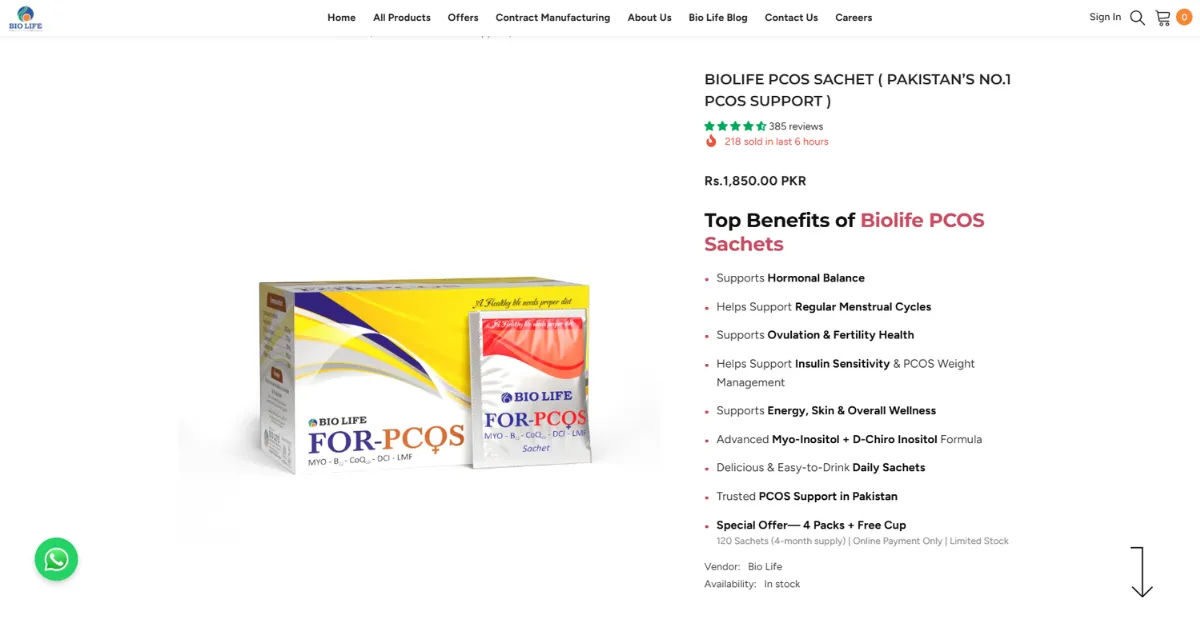
Many women with PCOS who are trying to conceive often explore different solutions, including lifestyle changes, medical treatments, and PCOS Supplements that may support fertility naturally.
While supplements cannot guarantee pregnancy or completely treat PCOS, some nutrients and herbal ingredients may help address certain challenges linked with the condition. They may support areas such as insulin sensitivity, hormone regulation, egg quality, and ovulation when combined with a healthy lifestyle and medical guidance.
Understanding how these supplements work, what ingredients may be beneficial, and what limitations they have is important for women who want to make informed fertility decisions.
PCOS and Its Impact on Fertility
Polycystic ovary syndrome is a hormonal disorder that affects how the ovaries function. Despite its name, not every woman with PCOS has ovarian cysts. The condition is mainly associated with hormonal imbalances, irregular periods, and problems with ovulation.
For many women, the biggest fertility challenge with PCOS is irregular or absent ovulation. Ovulation is the process where an egg is released from the ovary. If ovulation does not happen regularly, it becomes more difficult to achieve pregnancy naturally.
PCOS can affect fertility through several factors:
- Irregular menstrual cycles
- Increased levels of androgens (male hormones)
- Insulin resistance
- Inflammation and oxidative stress
- Poor egg quality
- Hormonal imbalance
These factors can create challenges for conception, but many women with PCOS successfully become pregnant with proper management.
How PCOS Supplements May Support Fertility
Supplements are often used as part of a broader fertility-support plan. They are not a replacement for medical treatment, but certain nutrients may help improve some underlying issues associated with PCOS.
Supporting Healthy Ovulation
Regular ovulation is one of the most important factors for natural conception. Some women with PCOS experience irregular ovulation because hormonal signals between the brain and ovaries become disrupted.
Certain nutrients may help support hormone balance and improve the conditions needed for regular ovulation. For example, some supplements are studied for their role in improving insulin function, which may indirectly support reproductive hormones.
When insulin levels are better controlled, the body may be able to maintain more balanced hormone production, potentially improving ovulation patterns.
Improving Insulin Sensitivity
Insulin resistance is common among women with PCOS. This condition occurs when the body's cells do not respond effectively to insulin, causing the body to produce more insulin than normal.
High insulin levels can affect ovarian function and may contribute to increased androgen production. These hormonal changes can interfere with normal ovulation.
Some PCOS-focused supplements contain ingredients that may support better insulin sensitivity. Improving insulin balance through nutrition, exercise, and appropriate supplementation may help create a healthier environment for fertility.
Supporting Egg Quality
Egg quality plays an important role in conception and pregnancy development. As women age, oxidative stress can affect egg health.
Antioxidants are nutrients that help protect cells from damage caused by free radicals. Some fertility supplements include antioxidant ingredients that may support reproductive health by reducing oxidative stress.
Maintaining a balanced diet rich in vegetables, fruits, healthy fats, and essential nutrients is also important for supporting egg quality.
Key Ingredients Commonly Found in PCOS Fertility Supplements
Different products contain different combinations of vitamins, minerals, and natural compounds. Understanding common ingredients can help women make better choices.
Inositol
Inositol is one of the most researched nutrients related to PCOS. It is a type of sugar compound that plays a role in insulin signaling and hormone regulation.
Research suggests that certain forms of inositol may help support menstrual regularity, insulin sensitivity, and ovulation in some women with PCOS.
Many fertility-focused PCOS products include myo-inositol or a combination of myo-inositol and d-chiro-inositol because of their potential benefits for metabolic and hormonal balance.
Vitamin D
Vitamin D plays an important role in overall health, including reproductive function. Some women with PCOS have low vitamin D levels.
Adequate vitamin D levels may support healthy hormone function, immune health, and normal reproductive processes.
Women with vitamin D deficiency may benefit from supplementation under healthcare guidance.
Omega-3 Fatty Acids
Omega-3 fatty acids are healthy fats commonly found in fish oil and certain plant sources. They are known for supporting heart health and helping manage inflammation.
Since inflammation and metabolic issues may contribute to PCOS symptoms, omega-3 fatty acids may provide supportive benefits as part of a balanced approach.
Coenzyme Q10 (CoQ10)
CoQ10 is an antioxidant involved in cellular energy production. Because eggs require significant energy during development, some researchers have explored its potential role in fertility support.
CoQ10 may help protect cells from oxidative stress and support mitochondrial function.
Zinc and Other Essential Minerals
Minerals such as zinc contribute to hormone production, immune function, and reproductive health.
A deficiency in important nutrients may negatively affect fertility, making adequate nutrition essential for women with PCOS.
Can PCOS Supplements Help You Get Pregnant Faster?
Many women wonder whether taking supplements will immediately improve their chances of pregnancy. The answer depends on individual health factors.
PCOS supplements may support certain fertility-related processes, but they do not directly cause pregnancy. Their possible benefits often come from improving underlying issues such as insulin resistance, nutrient deficiencies, and hormonal imbalance.
Factors that influence fertility include:
- Age
- Ovulation frequency
- Partner’s sperm health
- Fallopian tube health
- Hormone levels
- Overall lifestyle
- Severity of PCOS symptoms
For some women, improving metabolic health and hormone balance may make conception easier. Others may need additional fertility treatments recommended by a healthcare professional.
Combining Supplements With Lifestyle Changes
Supplements generally work best when combined with healthy daily habits. PCOS is a complex condition influenced by metabolism, hormones, and lifestyle factors.
Maintain a Balanced Diet
A nutrient-rich diet can support hormone balance and reproductive health.
Foods that may support PCOS management include:
- Lean proteins
- Whole grains
- Vegetables
- Fruits
- Healthy fats
- High-fiber foods
Reducing excessive sugar and highly processed foods may also help improve insulin control.
Exercise Regularly
Physical activity can improve insulin sensitivity, support healthy weight management, and reduce inflammation.
A combination of strength training, walking, and moderate cardiovascular exercise may be beneficial for many women with PCOS.
Manage Stress
Chronic stress can affect hormone regulation and overall well-being. Practices such as meditation, yoga, relaxation exercises, and proper sleep may support reproductive health.
Are PCOS Supplements Safe for Fertility?
Safety depends on the ingredients, dosage, and individual health conditions.
Although many supplements are available without a prescription, it is important to choose products carefully. Some ingredients may interact with medications or may not be suitable for certain health situations.
Women who are trying to conceive should consider discussing supplements with a healthcare provider, especially if they:
- Take fertility medications
- Have diabetes or thyroid conditions
- Are pregnant or planning pregnancy soon
- Have other medical conditions
Choosing high-quality supplements from reliable sources is also important.
When Should You Seek Medical Fertility Support?
Supplements can provide nutritional support, but some women with PCOS may need medical assistance to improve their chances of conception.
Consider speaking with a fertility specialist if:
- Periods are extremely irregular
- Ovulation does not occur
- Pregnancy has not happened after trying for a suitable period
- PCOS symptoms are severe
- There are concerns about egg quality or other reproductive factors
Medical treatments may include ovulation-support medications, hormone management, or assisted reproductive techniques depending on individual needs.
Common Myths About PCOS Supplements and Fertility
Myth: Supplements Can Cure PCOS
PCOS is a long-term hormonal condition. Supplements may help manage certain symptoms, but they do not permanently cure the condition.
Myth: All Natural Supplements Are Automatically Safe
Natural ingredients can still affect the body. Quality, dosage, and personal health factors matter.
Myth: Supplements Replace Fertility Treatment
Supplements may support reproductive health but should not replace professional medical advice when treatment is needed.
How to Choose the Right PCOS Supplements for Fertility Support
When selecting supplements, consider the following factors:
Check the Ingredients
Look for scientifically studied nutrients rather than products making unrealistic promises.
Choose Quality Products
Reliable manufacturing standards and accurate labeling are important for safety.
Consider Your Personal Needs
Every woman experiences PCOS differently. A supplement suitable for one person may not provide the same benefits for another.
Discuss With a Healthcare Professional
Professional guidance can help determine whether supplementation fits your fertility goals.
Conclusion
PCOS supplements may support fertility by addressing some common challenges associated with PCOS, including insulin resistance, nutrient deficiencies, oxidative stress, and hormonal imbalance. Certain ingredients such as inositol, vitamin D, omega-3 fatty acids, and antioxidants have shown potential benefits for reproductive health.
However, supplements are not a guaranteed fertility solution. Successful conception depends on many factors, including ovulation, overall health, age, and individual reproductive conditions.
The most effective approach usually combines balanced nutrition, regular physical activity, stress management, medical guidance, and carefully selected supplementation when needed. For women with PCOS who are trying to conceive, understanding how these supplements work can help create a more informed and personalized fertility plan.
Leave a Reply