
When Precision Meets Practicality A Comparative Look at CNC Machining Solutions
Introduction — a short shop floor moment
I was standing by a bench watching a tech swap a collet when a fresh intern asked, “How do we make sure every part fits like it should?” That simple question sits behind why CNC machining solutions matter: they tie people, tools, and processes together so parts meet spec. Recent shop metrics show scrap rates falling by 18% when teams standardize toolpaths and fixtures. So what really changes when you move from guesswork to a plan? (I’ll admit: I still check the tolerance chart twice.) Let’s unpack the small steps that make a big difference.
Peeling Back the Layer — where typical methods fall short
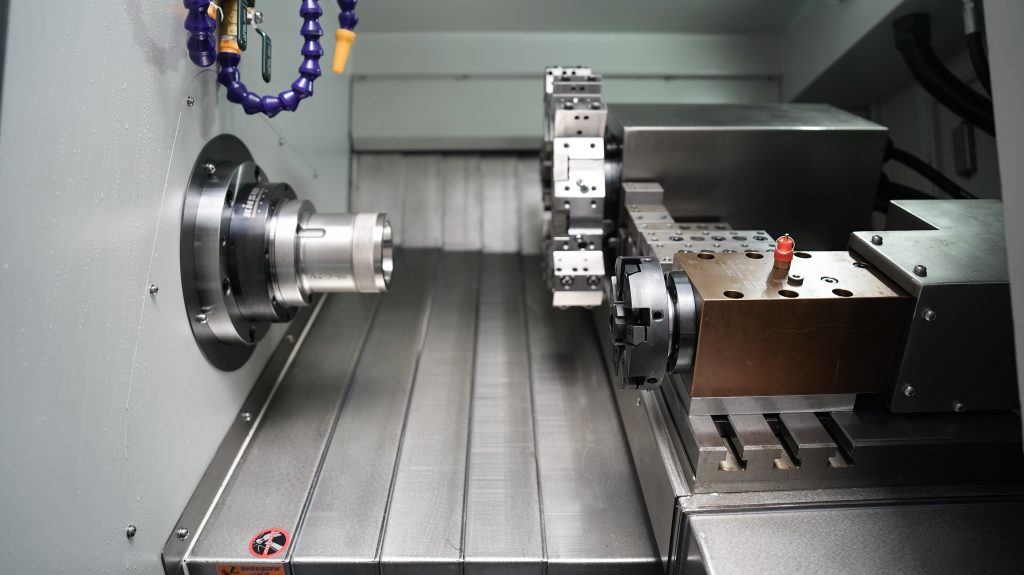
cnc machining solutions for medical often demand tolerances one or two orders tighter than general parts. When you aim for that level, old habits break down fast. Shops relying on manual repeat setups or ad‑hoc fixtures run into problems with runout, inconsistent surface finish, and variable spindle speed control. Those issues add up. You lose time reworking, increase inspection cycles, and stress buyers — all of that for parts that should be routine.
Why does this break down?
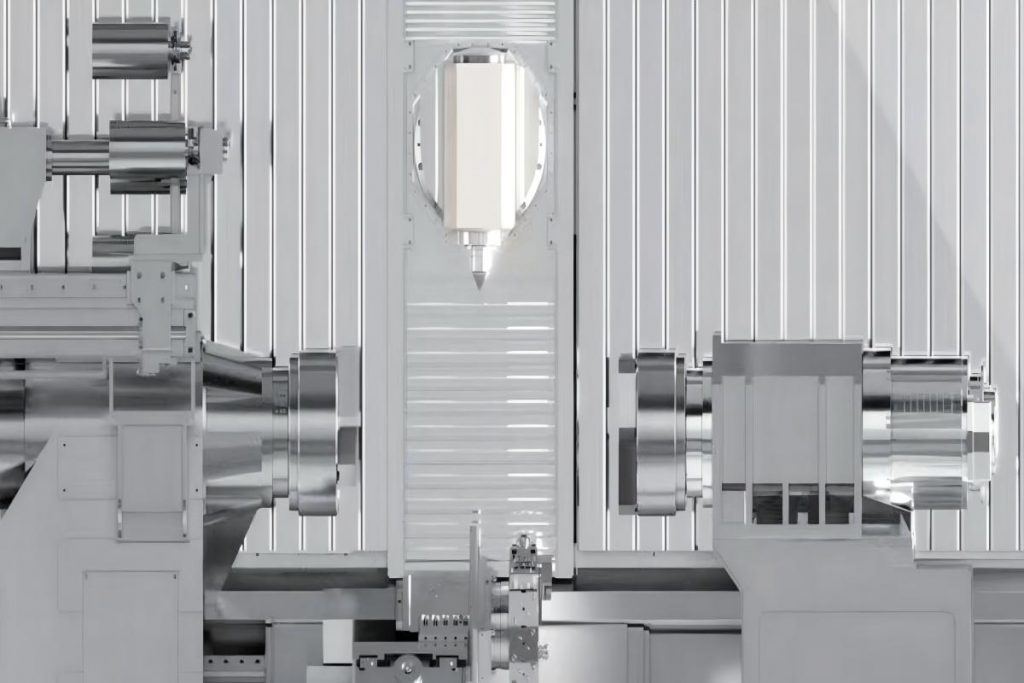
First, many teams underplay the role of fixturing. A good fixture locks orientation and reduces micro-movement. Second, G-code strategies matter: an inefficient toolpath increases tool wear and forces slower cutting feed. Third, measurement methods lag; if you only measure at the end, you miss drift along the way. Look, it’s simpler than you think: fix the work, pick the right tool, and monitor as you go. — funny how that works, right?
Forward View — principles and practical metrics
Now let’s look forward. I want to compare two clear paths: one that doubles down on human checks, and one that invests in smarter controls and process data. For complex sectors like aerospace, this choice is decisive. When we evaluate new methods we often test them on representative runs — small batch trials using cnc machining for aerospace parts to validate process stability and thermal effects. Those trials reveal surprising gaps: thermal expansion at long cycle times, minor G-code inefficiencies, and the need for dynamic tool offset management.
What’s Next — measurable steps to choose wisely?
Here are three metrics I use when advising shops on picking a solution: 1) Process capability (Cp/Cpk) for critical dimensions; 2) First-pass yield across a representative batch; 3) Mean time between tool changes under planned feeds and speeds. If a candidate solution improves two of these by a clear margin, it earns a pilot. If not, keep refining fixturing and toolpath logic before buying new hardware. You should also watch edge behavior — tiny burrs tell you about tool life and cutting conditions. — unexpected, but true.
To wrap up, I’ll be frank: I prefer fixes that people can see and trust. That means better fixtures, clearer G-code, and simple live checks paired with data. When those come together, you get predictable results without overcomplicating the floor. For anyone evaluating vendors or workflow changes, test with realistic parts, measure these three metrics, and listen to your machinists — they will tell you where the weak links are. If you want a reliable partner to help frame those trials, check out Leichman.
Leave a Reply