Group Travelling Best Practices for Teams
Group travelling can be an exciting and enriching experience for teams, whether it’s for corporate retreats, school trips, or volunteer projects.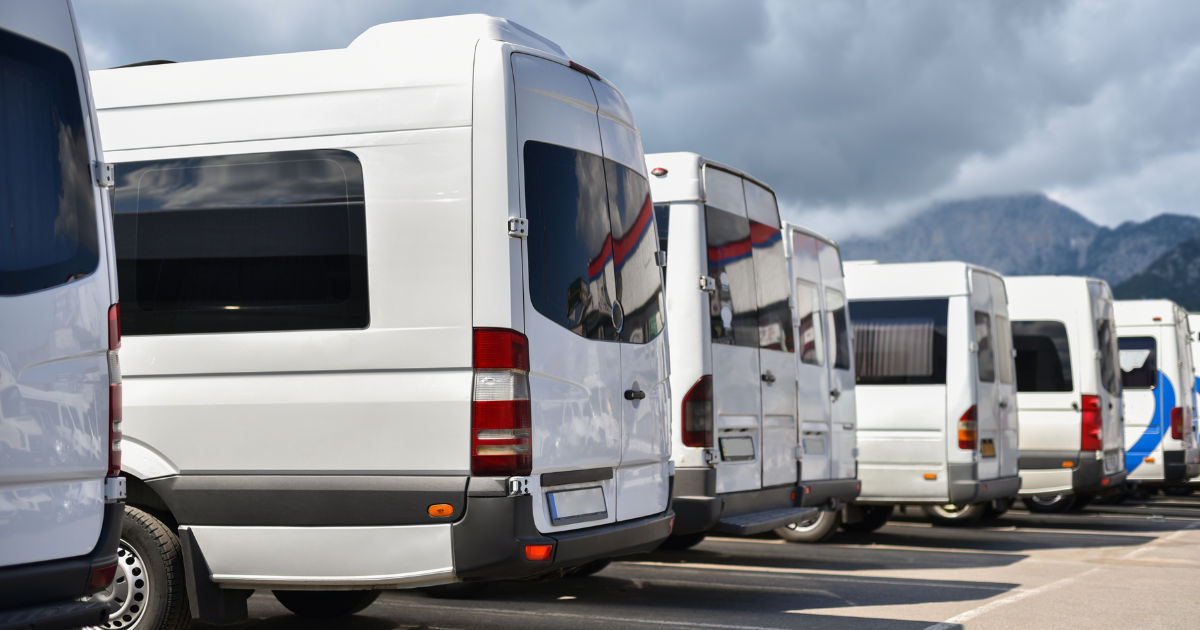
The experience goes beyond simply moving from one location to another; it helps foster team bonding, improves communication, and creates unforgettable memories.
However, organizing group travelling requires careful planning, coordination, and clear communication to ensure everything goes smoothly.
In this comprehensive guide, we will explore the best practices for group travelling, covering preparation, logistics, safety, team engagement, and post-trip follow-up.
By following these strategies, teams can make the most out of their travel experiences while minimizing stress and challenges.
Why Group Travelling Matters for Teams
Group travelling is not just about reaching a destination. It’s an opportunity for team members to connect, understand each other’s strengths and weaknesses, and build trust outside the usual work or school environment.
Teams that travel together often report better collaboration, improved morale, and stronger interpersonal relationships. For organizations, group travelling can also boost productivity by providing informal settings for problem-solving and brainstorming.
When teams experience new environments together, they gain a fresh perspective, which can translate into innovative ideas when they return to their regular routines. Therefore, ensuring a successful travel experience requires careful planning and adherence to best practices.
Planning Ahead for Successful Group Travelling
Define the Purpose of the Trip
Before booking flights or accommodations, it’s essential to define the purpose of your group travelling. Is it a team-building retreat, a corporate conference, or a recreational getaway? Understanding the trip’s objective will help determine the itinerary, budget, and activities.
Clear objectives also help team members stay focused and engaged throughout the trip. For example, a trip focused on team-building activities will require different planning compared to a leisure-focused travel experience.
Create a Detailed Budget
Budgeting is crucial in group travelling, as costs can escalate quickly. Consider the following when creating a budget:
-
Transportation (flights, buses, or rental vans)
-
Accommodation (hotels, hostels, or group lodges)
-
Meals and snacks
-
Activities and excursions
-
Travel insurance
-
Miscellaneous expenses
Allocating a buffer for unexpected costs is essential. Transparency about the budget ensures all team members are aware of expenses and reduces potential misunderstandings.
Choose the Right Destination
Selecting a destination that aligns with the team’s interests, objectives, and budget is vital for successful group travelling. Consider accessibility, safety, available activities, and local culture.
It’s also helpful to involve the team in the decision-making process. A democratic approach increases engagement and ensures everyone feels invested in the trip.
Plan an Itinerary but Stay Flexible
While creating a detailed itinerary is essential, leaving room for flexibility is equally important. Over-scheduling can lead to stress and exhaustion, especially in group travelling scenarios.
Include downtime for relaxation, unplanned activities, or spontaneous bonding moments. Balance structured events with free time to maximize enjoyment.
Organizing Transportation for Group Travelling
Choose the Right Mode of Transport
Selecting the right transportation method depends on the group size, distance, and comfort level. Options include:
-
Rental vans or minibuses for short distances
-
Trains or buses for moderate distances
-
Flights for long distances
For smaller groups, shared rides or car rentals may suffice. For larger groups, charter buses or multiple vans ensure everyone travels together comfortably.
Coordinate Pick-Up and Drop-Off Times
Clear communication about pick-up and drop-off points prevents delays and confusion. Assigning a travel coordinator or team leader to manage transportation logistics helps maintain order during the journey.
Safety and Comfort
Safety should be a top priority in group travelling. Ensure vehicles are well-maintained, drivers are experienced, and safety protocols are followed. Comfortable seating and amenities like air conditioning or Wi-Fi improve the travel experience and keep the team engaged.
Accommodation Tips for Teams
Book Early and Strategically
Booking accommodations early ensures availability and often better rates. Consider the proximity to planned activities, restaurants, and transportation hubs.
Group-friendly options such as hotels with meeting rooms, hostels with private group sections, or vacation rentals can enhance the team’s experience.
Room Assignments
Thoughtful room assignments are essential in group travelling. Mix team members to encourage socializing but respect individual preferences for privacy.
If possible, allow team members to express room-sharing preferences in advance to avoid conflicts.
Consider Amenities
Amenities such as Wi-Fi, meeting spaces, and kitchens can make a significant difference in group comfort. For longer trips, access to laundry facilities and recreational spaces adds convenience and reduces stress.
Meal Planning for Group Travelling
Establish Dietary Preferences
Before traveling, gather information about dietary restrictions, allergies, and preferences. This ensures everyone can enjoy meals safely and comfortably.
Planning ahead helps avoid last-minute stress and ensures that meal stops are inclusive for all team members.
Group Meals vs. Individual Choices
Balancing group meals and individual dining options enhances the experience. While communal meals encourage bonding, allowing individual exploration provides flexibility.
Consider reserving restaurants in advance for larger groups to prevent long waits and disappointment.
Snacks and Hydration
Traveling often involves long commutes or outdoor activities. Stocking up on snacks and water keeps the team energized and hydrated.
Healthy snack options also prevent fatigue and help maintain focus during travel or events.
Effective Communication in Group Travelling
Assign a Trip Coordinator
A designated trip coordinator or leader ensures that information flows smoothly. They handle scheduling, problem-solving, and emergencies.
Clear communication reduces misunderstandings and ensures that everyone stays on the same page during group travelling.
Use Technology to Stay Connected
Group chats, apps, and shared calendars help track schedules, locations, and updates.
GPS tracking apps, for example, can help teams meet up quickly after excursions, while messaging apps allow for easy coordination of last-minute changes.
Set Expectations Early
Before traveling, set expectations regarding punctuality, behavior, participation, and personal responsibilities. Clear expectations prevent conflicts and create a smooth travel experience.
Team Engagement Activities
Icebreakers and Introductions
Start the trip with icebreakers or team introductions, especially if members are not familiar with one another. Fun activities help build rapport and foster a collaborative environment.
Group Challenges and Team-Building Exercises
Incorporating group challenges or problem-solving exercises enhances team cohesion. These activities encourage creativity, communication, and trust among members.
Recreational and Cultural Activities
Including recreational or cultural activities adds variety and enrichment. Tours, workshops, or local experiences provide opportunities for learning and enjoyment while promoting team bonding.
Safety and Health Considerations
Travel Insurance
Travel insurance is essential in group travelling. It covers medical emergencies, trip cancellations, or lost belongings. Ensuring that every member is insured provides peace of mind and security.
Emergency Protocols
Establishing emergency protocols is vital. Share contact information, nearest hospital locations, and safety instructions with all team members.
Assigning small groups or partners during excursions ensures accountability and quick assistance if needed.
Health Precautions
Maintain hygiene and health standards, especially during meals and travel. Encourage handwashing, vaccination checks, and awareness of local health guidelines.
Sustainability in Group Travelling
Reduce Environmental Impact
Encourage sustainable practices during group travelling, such as using public transport, minimizing plastic waste, and supporting local businesses.
Sustainability not only benefits the environment but also teaches teams responsibility and mindfulness.
Respect Local Culture
Educate the team about cultural norms and etiquette. Respectful behavior fosters positive interactions with locals and enriches the travel experience.
Leave No Trace
Encourage the team to clean up after themselves, avoid littering, and follow responsible tourism practices.
Small actions, like reducing energy consumption and recycling, collectively make a significant difference.
Common Challenges and How to Overcome Them
Conflicts and Personality Clashes
Traveling in groups can bring out personality differences. Encourage open communication, patience, and empathy to resolve conflicts.
Assigning roles or tasks can also help distribute responsibilities and minimize tension.
Delays and Schedule Changes
Travel plans can be disrupted due to weather, transportation issues, or unforeseen circumstances. Build flexibility into the schedule and have contingency plans.
Keep the team informed about changes to reduce anxiety and confusion.
Budget Overruns
Unexpected expenses may arise during group travelling. Track spending closely and maintain a contingency fund to handle emergencies without stress.
Post-Trip Activities
Feedback and Reflection
After returning, gather feedback from team members about what went well and what could improve.
Reflection sessions help improve future travel planning and enhance team cohesion.
Share Memories
Sharing photos, videos, and experiences helps preserve memories and strengthens bonds. Consider creating a digital album or slideshow for everyone to enjoy.
Apply Learnings to Team Dynamics
Lessons learned during group travelling can be applied to improve teamwork in the workplace or school environment.
Recognize improved communication, problem-solving skills, and collaborative behavior observed during the trip.
Conclusion
Group travelling is an exceptional opportunity for teams to bond, explore new places, and enhance collaboration. Successful trips require careful planning, clear communication, and attention to team dynamics, safety, and engagement. By setting objectives, creating flexible itineraries, and fostering a respectful and inclusive environment, teams can maximize the benefits of their travel experience.
Whether for corporate retreats, educational trips, or recreational adventures, following these best practices ensures that group travelling is enjoyable, memorable, and enriching. Thoughtful preparation, a focus on health and safety, and mindful engagement can transform any team trip into a transformative experience that strengthens relationships and inspires future collaboration.
Investing time in planning and coordination not only reduces stress but also enhances the overall success of the trip. By embracing these strategies, teams can create meaningful experiences that resonate long after the journey ends.