
How to Deal with Common Ailments During Your Everest Base Camp Trek
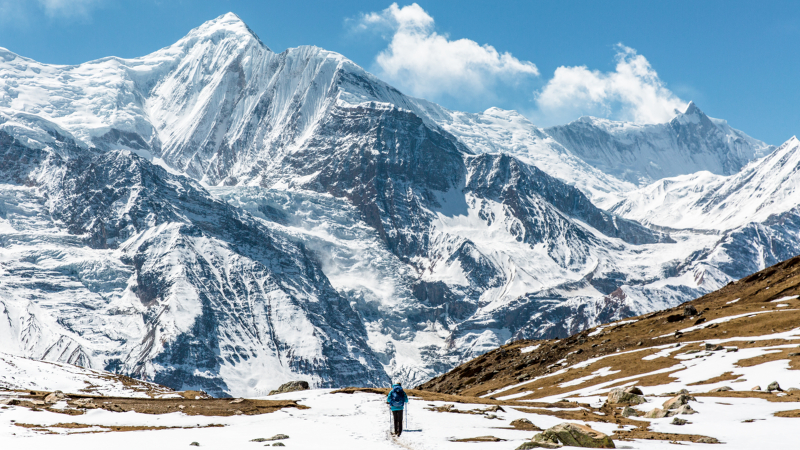
Trekking to the Everest Base Camp Trek is a bucket-list trip of a lifetime, but the high-altitude hike through Nepal’s Khumbu region comes with physical demands and health dangers every visitor should be ready to take on. Learning to manage common illnesses on the Everest Base Camp trek can be the difference between having a safe and enjoyable experience. You trek to heights over 5,000 meters, where your body contends with less oxygen, less predictable weather, and potential diseases that could slow your pace or turn you around.
Altitude Sickness The most widespread sickness experienced during the Everest Base Camp trek is altitude sickness, also referred to as Acute Mountain Sickness (AMS). Symptoms may be headaches, nausea, dizziness, loss of appetite, and trouble sleeping. To minimize your risk, proper acclimatization with a slow gradient of acclimatization is necessary. The vast majority of itineraries incorporate acclimatization days in Namche Bazaar and Dingboche to give your body time to adjust to the thinner air. Drinking plenty of water, refraining from alcohol, and eating a carbohydrate-heavy medley can also prevent somebody from getting AMS. Some trekkers might also have to take preventive medication like acetazolamideDiamoxx) to alleviate symptoms and assist with acclimatizing.
Gut and poo problems are another common problem on treks, usually from eating or drinking something unclean. Diarrhea, stomach cramps, and indigestion can get you down and out in no time. To avoid this, always drink purified or bottled water and eat fresh, cooked, hot meals. Definitely advisable to have some water purification tablets or a good filter. Personal hygiene, including hand sanitizer before meals and after going to the toilet, is key in preventing stomach upsets during the trek.
Blisters and aching feet also top the list for Everest Base Camp trekkers. The trail requires some long days of walking over rough, rocky ground, and that’s going to be a lot of pressure on your feet. The friction can be reduced by wearing good old, well-broken-in trekking boots and quality socks! You can also help to manage and reduce pain after long walks by keeping your feet dry, changing your socks regularly, and using blister-prevention products, like moleskine or petroleum jelly. Listen to your body and wade through — stop and treat hotspots before they turn into painful blisters.
The cold, particularly at night, could pose its problems unless responded to (i.e., hypothermia and frostbite). Multiple layers, such as thermal base layers, down-insulated jackets or shells that resist wind, will keep you warm. You will need a sub-zero rated sleeping good sleeping bag. Gloves, warm hats, and socks are essential for guarding hands and feet. Listen to your body, and be aware you may not be able to feel, or are not recognizing the extent of the cold (as evidenced by your symptoms) – if warning signs appear, take them seriously.
Preparation, knowledge, and listening to your body are the best ways to handle some common issues on the EBC trek. With proper gear, a reasonable pace, and proper attention to hygiene and health, most trekkers can make this iconic trek safely and successfully. Always consult with your doctor before trekking, and also consider travel insurance covering high-altitude trekking and emergency evacuations just to be safe.
What Should I Do If I Experience Symptoms of Altitude Sickness?
Acute Mountain Sickness , also known as AMS or altitude sickness, is the most common health problem faced by trekkers on the Everest base camp route. It generally starts at elevations of 2,500 meters and above, with symptoms including everything from mild headaches and fatigue to severe cases of High Altitude Pulmonary Edema (HAPE), or High Altitude Cerebral Edema (HACE). If you develop headaches, nausea, anorexia, dizziness, insomnia, or breathlessness while even at rest, you should not continue to travel upwards. The golden rule is: “climb high, sleep low”.
At the present elevation, you will want to rest one or two days, drink lots of liquids, and avoid alcohol or sedatives. Milder cases can be treated with medications such as acetazolamide (Diamox), which aids the body in adjusting. But if symptoms are getting worse, or if they don’t improve with rest, the treatment with a nearly 100 percent chance of success is descent. Don’t ever look past AMS, and not just because inattention to it can be fatal. Some trekking agencies supply Oxygen supplements or a Portable Altitude Chamber. The key is to prevent it—stick to a good acclimatization schedule, walk slowly, and listen to your body. Even the most physically fit trekkers can suffer from altitude troubles, so always take AMS seriously while you are on your way to Everest Base Camp.
How does one protect one’s stomach from food and water?
Gut issues like diarrhea, bloating, and cramping are a surprisingly common problem amongst high-altitude trekkers, such as on Everest Base Camp. Top sources include unclean water, undercooked food, and bad hygiene. Most tea houses are striving for cleanliness, but the food safety standards might not be as strict as what you are accustomed to at home. To play it safe, stay away from raw vegetables, salads, and unpeeled fruits. 81. Stick to hot, freshly made dishes. Opt for vegetarian options if the way the meat is being handled is questionable.
Everest Base Camp Tour Another significant cause of GI trouble is water. Don’t ever drink from taps, streams, or springs without purifying first. Stick to water purification tablets, UV purifiers like the SteriPEN, or sealed bottled water. You may want to carry electrolyte powders and oral rehydration salts; diarrhea can cause rapid dehydration, particularly at altitude.
Keep good hygiene and sanitise your hands before eating and after visiting the toilet. A simple stomach bug can spoil your trek or drive you off the mountain early. It’s sensible to bring Imodium or some other anti-diarrheal medication, and ask your doctor for a prescription for a broad-spectrum antibiotic in case you get a worse infection than Montezuma’s. Vigilance, good clean eating, and water safety are the best way to ensure a lasting and healthy digestive system during your trek.
What’s the Best Way to Avoid and Treat Blisters on the Trek?
Blisters may seem like a small problem, but on an intense trek such as the Everest Base Camp, they can turn into a big problem. Each day, you’ll walk five to eight hours over rough, hilly terrain. Socks or ill-fitting footwear, damp conditions, and repetitive friction are the perfect formula for some painful blisters that can make you move slower even force you to take unscheduled rest days.
Prevention: The main prevention measures are to have well-broken-in trekking boots. Don’t ever begin the hike in brand-new shoes. Top that off with moisture-wicking socks (again, not cotton), and pack extra so you can alternate daily. Others wear sock liners to minimize friction even more. Prevent: Apply blister-prevention tape (Leukotape is good) or things like Vaseline to high-friction areas like heels and toes before setting foot on the trail.
If you feel a hotspot developing, stop and deal with it right away. Don’t push through it. Now, I will make sure to apply some moleskine, gel pads, or 2nd skin dressing on that area before it turns into a full-blown blister. If you develop a blister, wash with antiseptic, strip, then pad and protect it with padded plasters. Wash and thoroughly dry feet, and air them out as much as possible. You need to practice daily foot care and carry a small blister kit as part of your first-aid supplies.
What Do I Do About Cold-Related Problems Like Frostbite or Hypothermia?
The terrain and environment on the Everest Base Camp Hike: The Everest Base Camp trek passes through high and cold terrain with temperatures plummeting to well below zero, especially at night or early morning start times. There are some real risks of prolonged exposure to cold without proper preparation for frostbite or hypothermia. Hypothermia sets in when your body is losing heat more quickly than it can make it. Symptoms include shivering, a mumbly tongue, lethargy, and confused coma. Frostbite strikes the extremities, such as fingers, toes, and ears, making the skin numb and causing it to turn pale, waxy, or grey; in severe cases, there is tissue damage and possible amputation.
You could avoid this by layering. First, wear a moisture-wicking base layer, followed by an insulating layer (fleece or down) and a waterproof and windproof outer shell. Focus on keeping your head, hands, and feet warm (wear gloves, hats, and thermal socks). Don’t get too sweaty hiking, and wet clothes cool you off quickly. At anything higher, be sure to have a sleeping bag rated to at least -15°C or lower.
React at once if you see signs of hypothermia or frostbite. Get to a sheltered area, change into dry clothes, and warm up slowly, using body heat or a warm beverage. Never use direct heat, such as a stove or fire, to thaw frozen skin. Prevention is much easier than a cure, so keep yourself warm and dry while on your trip.
What if I come down with a cold or respiratory infection while on the trail?
More of us who attempt the Everest Base Camp trail get colds than you’d expect. The high altitude, combined with cold, dry air, makes your throat and nasal passages uncomfortable, and tea house rooms are generally poorly insulated. Add to this fatigue, a compromised immune system, close proximity to other trekkers, and here comes the risk of respiratory infections.
Typical symptoms are soar throat, a runny nose, and a cough, sometimes with fever. Although a normal cold is not a big deal, it becomes a completely different story when it transitions into a respiratory infection, and combined with the lack of oxygen up here, it becomes harder and harder to breathe. Pack over-the-counter cold medicines, including decongestants, throat lozenges, and paracetamol, to relieve symptoms. Drink plenty of warm fluids, particularly herbal teas, and get rest when you can to aid your body’s recovery.
Everest Base Camp Trek Itinerary If the infection travels to your chest or you have wheezing, shortness of breath, or fever, you may be developing bronchitis or even pneumonia—both of which you don’t want to mess around with at altitude. The best way down is typically climbing down. If you have a medical prescription for antibiotics, appropriate for the kind of environment you will be working in, it’s better to pack them for emergencies. Stave off infection by crossing a buff or scarf over your mouth to heat the air you’re breathing, as well as consistently practicing good hygiene.
What Do I Do If I Get Dehydrated Mid-Trek?
Dehydration is a silent killer on the Everest Base Camp hike. Because the dry, cold air and high altitude can suppress your thirst, you may not realize that your body is losing water quickly through the air you breathe, sweating, and urination. Throw things like diarrhea, vomiting, or overexertion into the mix, and dehydration can creep up fast, bringing with it headaches, fatigue, dizziness, and an exacerbation of symptoms of altitude sickness.
In order to stay hydrated, your target should be to drink 3 to 4 litres of water every day. Take a reusable water bottle or water bladder with you and drink regularly throughout the day. Drink before you feel thirsty. Mix in some electrolyte powders with your water once a day to replenish the minerals you’ve flushed from your system, and to help keep your muscles functioning as they should. Carry insulated bottles or bottle covers to avoid freezing in colder areas.
Symptoms of dehydration are dark urine, dry mouth, dizziness, and lower output. If they do, take a break, get some rest, and rehydrate both with water and oral rehydration salts. Serious dehydration, meanwhile, may be a medical issue that requires a descent.
Keep an eye on your fluids just as you do your food or your stuff. Hydration is key to maintaining physical performance and aids in recovery as well as greatly reducing the chance of altitude-related issues while trekking.
How Do I Treat Sleep Issues When I’m at High Altitude?
Sleep is a common struggle for trekkers on the Everest Base Camp trail. At elevations over 3,000 meters, diminished oxygen levels impede your body’s capacity for deep rest. Some are losing sleep, suffering from disturbed, shallow, dream-laden, or interrupted sleep on account of increased respiration rate or more frequent need to urinate.
Work on your acclimatization: To have better sleep, aim for the right amount of acclimatization. Don’t climb too quickly, and maintain a slow pace backed up by rest days in spots like Namche Bazaar and Dingboche. Refrain from caffeine and alcohol at night, which can interfere with sleep cycles and promote dehydration. It’s also imperative that you keep warm at night – we recommend a good-quality sleeping bag rated for –10°C or cooler, and sleeping in thermals and socks.
Everest Base Camp Trek Package Finally, if you continue to have sleep issues, you might try low doses of acetazolamide (Diamox), which can regulate your breathing at night. Some trekkers swear by melatonin tablets to reset their sleep rhythms, while others fill a Kindle with every weighty classic they’ve been putting off reading. For some people, natural hot herbal teas, such as camomile, can help them unwind without any adverse effects.
Fatigue from lack of sleep can affect your physical and mental performance throughout the day, so don’t brush it off. If a case of insomnia starts to edge toward the extreme, or you pair it with symptoms of altitude sickness, it could be a sign that you need more rest or that you need to move down.
What if I get achy joints or sore muscles out on the trail?
It’s not uncommon to experience some joint pain and muscle fatigue on the Everest Base Camp trek, especially if you’re a little underprepared or lugging a heavy pack around. The up and down movements can severely stress knees, ankles, hips, and the lower back. Even experienced hikers may feel creaky after a few days on rough ground.
Start an exercise program well ahead of your trek to help avoid and manage joint and muscle problems. Concentrate on the strength, endurance, and flexibility of the legs. While walking, a pair of hiking poles can help ease your knees downhill and maintain balance. Stretch out your legs when you wake up and after walking to keep them from cramping and to recover more quickly.
If you have soreness, use an icepack in the evening if there is swelling. Apply topical pain relief creams and pack along NSAIDs such as ibuprofen to reduce inflammation and pain. Crucial are comfortable boots with adequate arch support and cushioning, to reduce impact on joints.
Don’t overlook pain that “won’t go away” — it could be a symptom of a brewing injury. Slow down as necessary, take rest breaks, and hire a porter if your pack gets to be too much. You will have to slow the pace down; taking good gear and awareness of your body will be crucial to protect your joints and muscles throughout the trek.
How Can I Tell When I Should Turn Around or Get Medical Help?
Perhaps the hardest decision to make on the Everest Base Camp trek is when to call it quits. The idea that if you push through, is brave might sound compelling, but it’s risky. Symptoms of that kind include persistent headaches, vomiting, confusion, loss of coordination, or shortness of breath at rest, and they should not be ignored. These are all possible symptoms of severe altitude sickness, which can rapidly progress into life-threatening conditions such as HAPE or HACE.
EBC Trekking You might want to turn around or seek medical help if symptoms don’t get better after resting and taking medicine, or if they get worse while you’re taking care of yourself, or if you can’t eat, walk easily, or sleep. There are medical posts in towns like Pheriche and Namche Bazaar on most trekking routes. Some guides carry oxygen bottles and satellite phones to use in an emergency. Always ensure you have good insurance (ideally ”comprehensive” insurance) that adequately covers high-altitude trekking and helicopter evacuation if required.
Your life, health, and welfare are more important than making it to base camp. It’s not a race where we have to rush to the finish line to win a prize. Knowing your limitations and acting responsibly can prevent long-term injury or catastrophe. There is no surer recipe for disaster than acting the tough guy and pressing on when you know you shouldn’t — let ego get the better of you and you would lose everything, so take nothing for granted. The mountains don’t go anywhere — your life and your health are much more important.
Can Mental Health Find Its Way Under the Weather on the Everest Base Camp Trek?
Yes, mental health is an element that is influenced by the Everest Base Camp trek, and for some trekkers, it flies under the radar. Combined with physical fatigue, being exposed to an unfamiliar landscape, high elevation, and the tedium of daily hiking can depreciate your emotional health. It is not uncommon to experience bouts of anxiousness, mood swings, irritability, perhaps even a bit of mild depression, especially on rest days or tough climbing stages.
The thin atmosphere at high altitude could also affect your mental clarity, causing brain fog, forgetfulness, or even confusion. Symptoms may be aggravated by fatigue and altitude sickness. Factor in poor sleep, hunger, or the cold, and it’s no surprise we can feel over-emotional or emotionally drained.”
To avoid losing your mind, do some psychological prep before your trek. Anticipate what’s coming and toughen yourself up mentally through mindfulness, journaling, or even breathing methods. Spending time with others who are walking the trail can help you feel better, and making Wi-Fi or satellite calls when possible to check in with family has the potential to bring you comfort, too. Bring reading material, music, or podcasts for downtime in the evenings.
If intrusive thoughts come to stay, or you notice a feeling of disconnection or confusion, speak with your guide or with your companions. Your mental health is every bit as vital as your physical health, and addressing it along the way means a safer, more enjoyable journey to Everest Base Camp.
Tips to Prevent Altitude Sickness around Everest Base Camp?
Preventing altitude sickness on the Everest Base Camp (EBC) trek is down to preparation, knowledge, and just good old patience. On the hike, you’ll be dealing with an altitude of over 5,000 meters, which will not have as much oxygen. And what matters in prevention is ascending slowly. Stick to a schedule with acclimatization days built in: there will likely be time to acclimate in Namche Bazaar (3,440 m) and Dingboche (4,410 m).
Keep properly hydrated – 3 - 4 liters of water per day. Stay away from alcohol, smoking, and sleeping pills, as they may exacerbate the symptoms. A high-carb diet is recommended at altitude to aid in the body’s metabolic efficiency. Drugs such as acetazolamide (Diamox) can prevent or treat symptoms if the drug is taken 24 hours before the person reaches a high altitude.
Mount Everest Base Camp Tour Learn the warning signs of Acute Mountain Sickness (AMS), slight short side, headache, nausea, tremor, fatigue, and difficulty sleeping. If you develop symptoms, stop your ascent and rest. If they do, turn around and head back down. (Oh, and never discount them: severe AMS can progress to life-threatening conditions like HAPE or HACE.)
The pace of the trek should depend on you and what your body can handle. Altitude sickness can strike even the fittest trekkers. It’s not a cure, but the best treatment for Everest Base Camp illnesses is prevention: Proper acclimatization, hydration, nutrition, and rest.
Is It Difficult to Breathe at Everest Base Camp?
(Yes, you may struggle to breathe at some points on Everest Base Camp, as the air is thin and oxygen levels are low at high altitudes. Base Camp is at an altitude of about 5,364 meters (17,598 feet), with about 50% of the oxygen compared to sea level. It makes breathing more difficult, particularly during exertion, and can cause shortness of breath even when you’re not exerting yourself.
A majority of trekkers, however, will experience higher breathing frequencies while going up. You may also breathe more quickly and deeply than usual, or at odd times, such as when you’re sitting for an extended period of time at your desk. This is a normal response as your body attempts to make up for less oxygen in the air.
Appropriate acclimatization will ensure that your body can adapt gradually. You need to take your climb at your own pace, with rest days thrown in, and drink copious amounts of water. Don’t become hurried or try to overdrive your comfort. Hiking at a slow pace and keeping a steady tempo will also make the acclimation process smoother.
Most trekkers find the last ascent to Base Camp, or Kala Patthar, most difficult because of the altitude. Yet, if you’ve acclimatized, the challenge is doable. The air is thinner and breathing may be more difficult, but that’s part of the high-altitude experience, and it doesn’t keep most trekkers from reaching their destination in good condition.
How Do You Get In Shape for Everest Base Camp?
A proper physical preparation is essential for a safe and enjoyable Everest Base Camp trek. While technical climbing isn’t necessary, the trail features long days of hiking, steep ascents, and descents. And altitudes of more than 5,000 meters. Conditioning your body in advance will improve your endurance, decrease your chance of injury, and make the experience more enjoyable.
Begin training 8–12 weeks before your trek. Emphasized cardiovascular endurance with exercises such as hiking, walking uphill, stair climbing, running, or cycling. They should have at least 4-5 days of cardio each week. Add strength training for your legs, core, and back to help withstand long days with a heavy pack on your back.
Hike with a loaded daypack for increasingly long distances and elevation gain as you simulate trekking conditions. Weekend trail hikes with terrain changes work well. And break in your boots by walking in them around, so you don’t blister on the trek.
Here’s what is happening for each type: Flexibility and mobility exercises (think: yoga or stretching) assist in recovery and prevent injury. And don’t forget mental training: as valuable as physical fitness is, staying positive and patient.
A well-prepared body won’t necessarily save you from altitude sickness, or even make it less likely that you will get it, but it gives you a better capacity to handle the physical challenge of the trek comfortably and safely
How to get acclimatized before going to Everest Base Camp?
Appropriate acclimatisation is one of the most crucial things when trekking to Everest Base Camp. Without it, the chance of getting altitude sickness is much higher. Acclimatization is the act of giving your body time to adjust to the lower levels of oxygen at high altitudes.
The only way to acclimatize is to climb slowly. Circumvent with a good trek itinerary that includes a minimum of two rest days for acclimatization – usually at Namche Bazaar 3,440 m and Dingboche 4,410 m. Hike short distances to higher elevations on these days and come back down to sleep. This approach, called “climb high, sleep low,” can help your body acclimate.
Continue to drink plenty of water, avoid alcohol and smoking, and eat a high-carb diet to keep up energy levels. Hike slowly — there’s no reward for speed. Some trekkers may benefit from taking drugs like acetazolamide (Diamox) for acclimatization, but we should think of these only as supplements — and not as substitutes — for a good schedule.
Watch for signs of Acute Mountain Sickness (headache, fatigue, dizziness, insomnia). If symptoms do develop, rest and don’t go higher until they get better. Descend if symptoms worsen.
With the proper acclimatization process, most fit trekkers can complete the Everest Base Camp Trek safely.
Leave a Reply